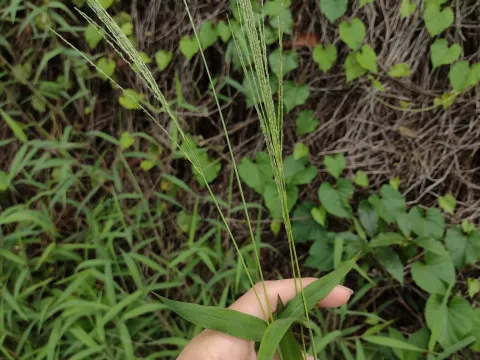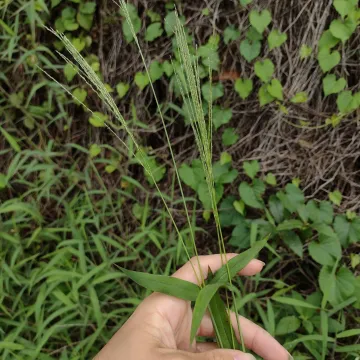
Velvet crabgrass
Digitaria velutina (Forssk.) P. Beauv.
Description
Velvet crabgrass (Digitaria velutina) is an annual grass species belonging to the Poaceae family. Within the agricultural sector, it is recognized for its potential as a productive forage plant, particularly well-suited to the ecological conditions of its native tropical environments.
The plant is indigenous to the tropical and subtropical regions of Africa. Over time, its cultivation has expanded into various tropical areas globally, where it serves as a valuable resource for grazing and fodder production, valued for its ability to thrive where other forage species might struggle.
Botanically, Digitaria velutina is distinguished by its velvety, pubescent leaf blades, from which its common name is derived. It typically develops a strong fibrous root system and an upright habit, although it may manifest semi-prostrate growth depending on population density and soil conditions.
The crop thrives in warm climates with high solar radiation and consistent moisture levels during the growing season. While it is adaptable to various soil types, it performs optimally in well-drained, nutrient-rich soils. Standard agricultural practices involve uniform sowing, balanced nitrogen fertilization, and scheduled harvesting to ensure maximum nutritive value.
- Requires high temperatures for rapid germination.
- Responsive to balanced soil fertility programs.
- Susceptible to rust fungi in humid conditions.
- Prone to infestations by specific aphids and lepidopteran larvae.
The primary agricultural utility of this species is in the livestock industry as a source of palatable forage. Management of the crop focuses on minimizing pest damage, such as leaf-eating insects, and preventing fungal pathogens that can diminish overall yield and nutrient quality in wet seasons.
Photo gallery