Lesser yam
Dioscorea esculenta (Lour.) Burkill
Description
The lesser yam (Dioscorea esculenta) is a significant tropical root crop belonging to the Dioscoreaceae family. It is widely cultivated for its clusters of small, sweet, and starch-rich tubers, which are considered a staple food source in many tropical regions, particularly in Southeast Asia and the Pacific Islands.
The origin of this species is traced to Southeast Asia, where it has been domesticated over centuries. Unlike larger yam species, Dioscorea esculenta is characterized by its ability to produce multiple tubers per plant, which are relatively easy to harvest and do not require extensive detoxification processes, making them highly desirable for local consumption.
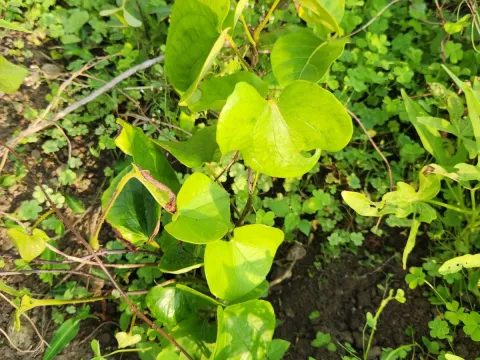
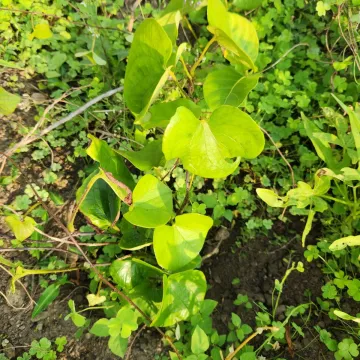
Botanically, the plant is a vigorous herbaceous climber. Its leaves are cordate, and the vine requires physical support for optimal growth. The tuber system is shallow compared to other yams, with roots spreading horizontally beneath the soil surface. The tubers themselves possess a thin, edible skin and are prized for their soft, palatable flesh.
Agronomic requirements for the lesser yam focus on high temperatures and consistent moisture. It thrives in well-drained, sandy-loam soils rich in organic matter. Cultivators typically plant the tubers in mounds or ridges to facilitate drainage and simplify the harvesting process. A long, frost-free growing season is essential for the crop to reach maturity.
Agricultural management involves regular weeding and protection against pests such as aphids, scale insects, and root-knot nematodes. Fungal infections can also impact yield if drainage is inadequate. Beyond direct human consumption, the lesser yam is increasingly recognized for its potential in producing flour and other processed starch products for commercial use.
Photo gallery