Dioscorea hispida
Dioscorea hispida Dennst.
Description
Dioscorea hispida, commonly known as the Asiatic bitter yam or wild yam, is a perennial climbing plant belonging to the Dioscoreaceae family. Unlike some other cultivated yams, this species is noted for its high starch content within its tubers, though it contains toxic secondary metabolites that require specialized processing.
The plant is native to the tropical regions of Southeast Asia, including countries like India, Indonesia, and the Philippines. In these habitats, it grows primarily in forest fringes and humid environments. It has been used for centuries by indigenous populations as a famine food and a reliable source of energy in traditional subsistence systems.
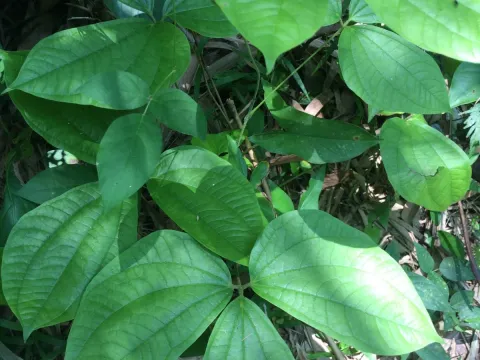
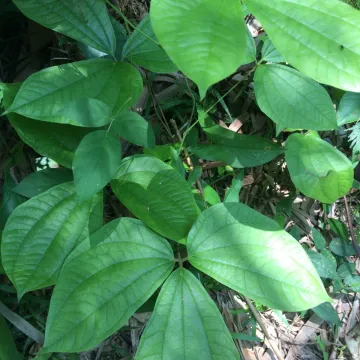
Botanically, Dioscorea hispida is characterized by hairy, twining stems and compound leaves with distinct leaflets. The plant develops large, lobed, or globose tubers underground. These tubers serve as the primary storage organ, accumulating significant amounts of starch that allow the plant to survive through dry seasons or periods of low light intensity in the understory.
Cultivation requirements for this species include deep, fertile, and well-drained soils, as the tubers require physical space for expansion. The plant thrives in tropical climates with consistent moisture. Agricultural practice usually involves installing trellis systems, as the plant relies on vertical support to maximize its leaf exposure to sunlight, which is critical for tuber yield.
In terms of agricultural and domestic use, the tubers are the main economic part, but they are strictly non-edible when raw due to the presence of dioscorine. The detoxification process is the most critical stage of its utilization: tubers are typically sliced and washed in running water or buried in salt-sand mixtures to leach out the toxins. Once processed, the tubers provide a valuable carbohydrate source. Common issues include tuber rot in waterlogged soils and infestation by coleopteran pests.
- Family: Dioscoreaceae
- Plant type: Perennial climber
- Key structure: Tuber
- Toxic compound: Dioscorine
- Processing necessity: Mandatory leaching
Photo gallery