
Cush-cush yam
Dioscorea trifida L. f.
Description
The Cush-cush yam (Dioscorea trifida L. f.) is a perennial climbing herbaceous plant within the Dioscoreaceae family. It is widely recognized as one of the most prestigious and flavorful species of yam cultivated in tropical regions for its edible tubers.
Originating from the tropical regions of Central and South America, the plant is primarily cultivated in the Caribbean basin. It is highly adapted to humid tropical environments, where it serves as a staple crop, appreciated for its smooth, high-quality tubers that lack the fibrous texture found in some other yam species.
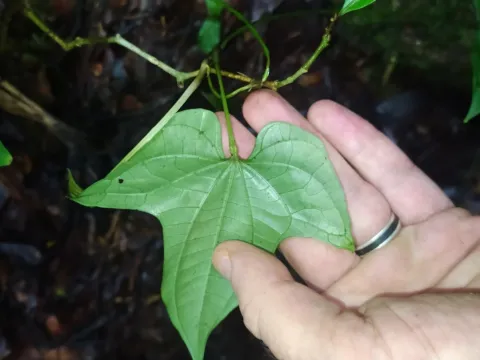
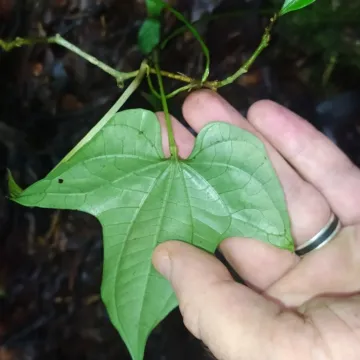
Botanically, the plant is characterized by its three-lobed leaves and twining stems that require support to grow effectively. Unlike many other yam species, the Cush-cush yam does not produce aerial bulbils; instead, all its storage energy is concentrated in the underground root system, which develops smooth, white-fleshed tubers.
Optimal cultivation requires well-drained, fertile, and friable soils. The plant is sensitive to waterlogging, which necessitates the use of raised beds or mounds in areas with heavy rainfall. Since it is a vining crop, farmers provide trellises or stakes to maximize photosynthetic efficiency and increase tuber size, which is critical for commercial production.
The culinary use of the Cush-cush yam is extensive, as its tubers are considered a delicacy compared to other yams. Regarding plant health, cultivators must remain vigilant against potential threats:
- Fungal diseases like anthracnose can severely impact leaf health.
- Root-knot nematodes often pose a significant risk to the quality of the tuber.
- Viral diseases can reduce yields, requiring the use of disease-free planting materials.
Photo gallery