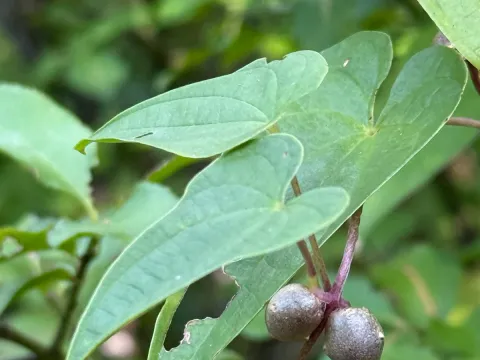

Japanese yam
Dioscorea japonica Thunb.
Description
Japanese yam (Dioscorea japonica Thunb.) is a perennial herbaceous vine belonging to the family Dioscoreaceae. It is recognized primarily for its elongated, tuberous roots, which are highly valued for their nutritional profile, containing significant amounts of starch, proteins, and medicinal saponins.
The plant is native to East Asia, including Japan, Korea, and parts of China. It typically grows in moist woodland areas and mountainous slopes. In agricultural practice, it is cultivated in regions with temperate or subtropical climates that offer a long growing season, which is crucial for the proper development of the fleshy tubers.
Botanically, the plant is characterized by its vining habit, heart-shaped leaves, and underground tuberous organs. Unlike some other yam species, the Japanese yam requires specific soil preparation; the ground must be deep, friable, and well-drained to allow the tubers to grow vertically without obstruction, which ensures a higher market value of the harvested produce.
Successful cultivation relies on consistent agronomic practices, including the installation of trellises or supports to keep the vines off the ground. The crop prefers light, fertile soil and requires moderate irrigation throughout the growing season. Adequate sunlight exposure is important for vine health, though the tubers themselves thrive when kept in relatively cool and moist soil conditions.
Regarding health and safety, the crop is generally hardy, but it is susceptible to certain soil-borne pathogens and pests. The most common issues include root-knot nematodes and various fungal rots caused by waterlogged soil. Proper crop rotation and field sanitation are essential strategies for farmers to maintain a healthy plantation and prevent yield losses during the harvest period.
Photo gallery