
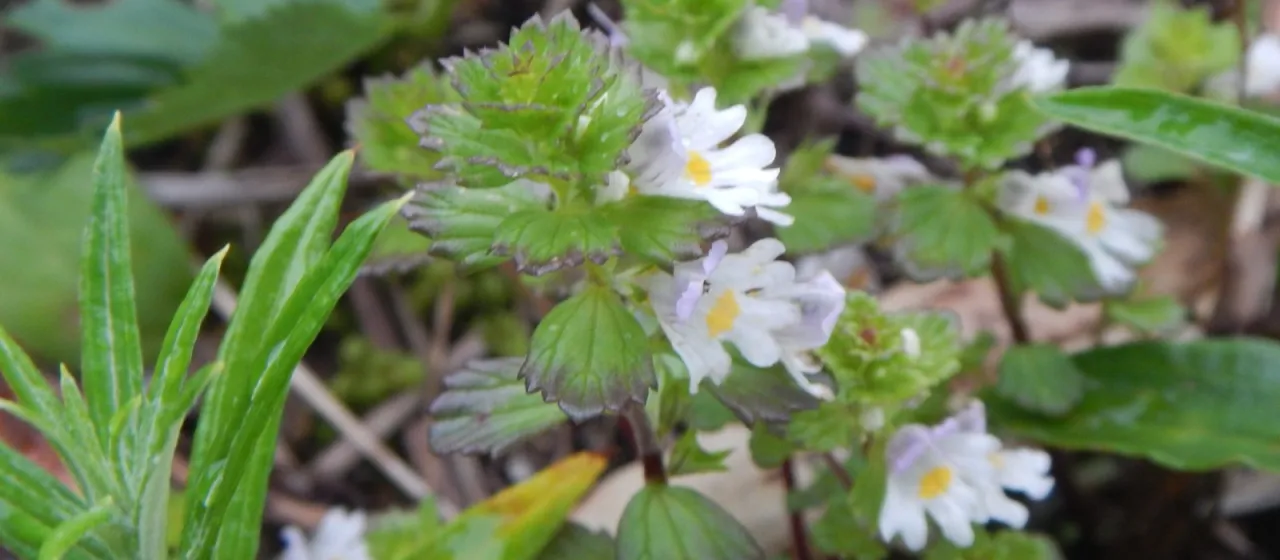
Description
Euphrasia insignis is an annual herbaceous plant belonging to the Orobanchaceae family. Unlike typical crops, this species is known as a hemi-parasite, meaning it derives essential nutrients and water from the roots of host plants while retaining its ability to perform photosynthesis through its green leaves.
The plant is native to temperate and mountainous regions where it thrives in open meadows and pastures. It requires high light exposure and prefers soils that are relatively low in nitrogen. Its natural range is restricted to specific micro-habitats where host grasses, such as various Poaceae species, are abundant, ensuring the necessary nutritional support for the plant's development cycle.
Botanically, Euphrasia insignis is characterized by a branched stem and small, opposite, serrated leaves. Its flowers are distinctively shaped with a lower lip and a yellow central nectar guide, which is evolutionarily designed to attract specific pollinating insects. After pollination, the plant produces dry capsules containing minute seeds, which are dispersed efficiently by the wind and rain.
Agronomic management of this species is highly specialized because it cannot be grown as a monoculture. Successful cultivation requires a mixed-sowing strategy with appropriate host grasses. The soil must remain well-drained and should not be treated with high-dose fertilizers, as an excess of nutrients allows host plants to grow too vigorously, effectively choking out the Euphrasia.
The primary economic and medicinal application of the plant is in the pharmaceutical industry. Extracts are traditionally valued for their therapeutic effects on eye health, particularly for soothing irritation and reducing inflammation. Due to its chemical composition, which includes iridoid glycosides and tannins, the plant exhibits natural resistance against many generalist pests, though it remains vulnerable to habitat destruction and herbicide application in agricultural lands.