
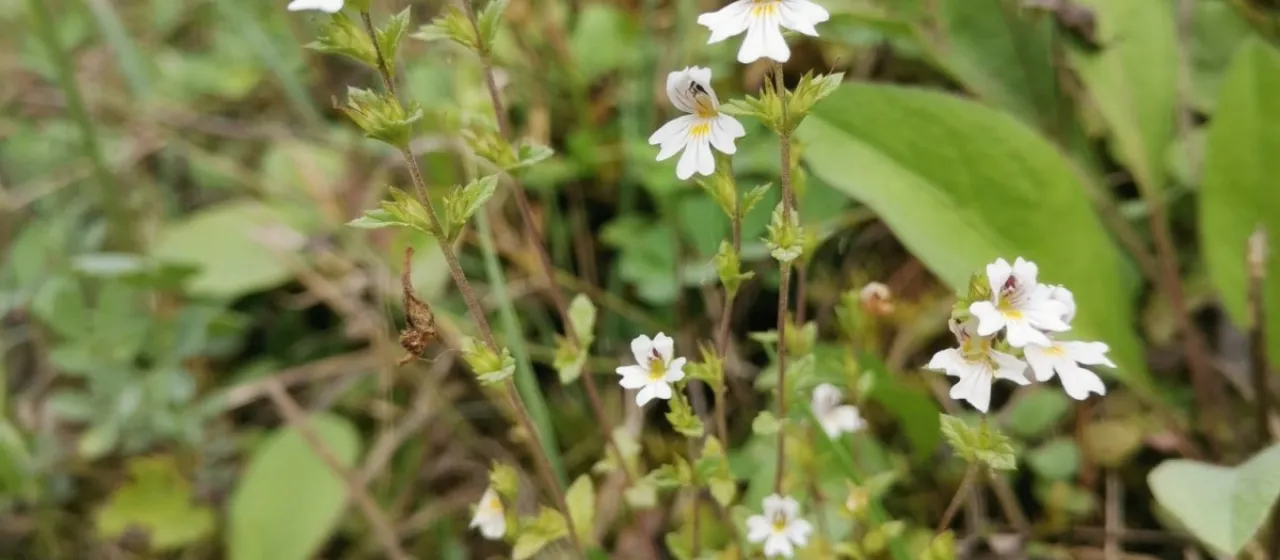
Description
Euphrasia marchesettii is a distinct herbaceous plant species belonging to the Orobanchaceae family. Historically, it was associated with the Scrophulariaceae family, but modern taxonomic classification confirms its place within Orobanchaceae. As a facultative hemi-parasite, it possesses the ability to perform photosynthesis while simultaneously tapping into the root systems of host plants for essential nutrients.
The geographic range of this species is highly localized, found primarily in parts of Southeast Europe, specifically within the border regions of Italy and Slovenia. It typically thrives in subalpine meadow habitats and on limestone-rich substrates. These areas are characterized by specific micro-climates that are sensitive to both climatic shifts and human interference.
Botanically, Euphrasia marchesettii exhibits the classic morphological traits of the Euphrasia genus, including small, opposite leaves with serrated margins and small, zygomorphic flowers. The plant's life cycle is strictly dependent on the presence of suitable host species, which provide the necessary chemical cues for seed germination and root attachment.
In terms of agricultural suitability, this plant is not a crop and lacks any history of systematic cultivation. Its ecological requirements are so specialized—requiring specific soil chemistry and host availability—that it cannot be easily propagated in conventional agricultural settings. Its survival is intrinsically linked to the preservation of natural, undisturbed alpine ecosystems.
The economic value of Euphrasia marchesettii is negligible, as it is primarily regarded for its scientific and ecological significance as a component of biodiversity. Conservation efforts focus on monitoring known sites to prevent habitat loss. The species faces potential threats from changes in land management, such as the abandonment of traditional grazing practices or, conversely, excessive trampling by livestock, which disrupts the delicate soil structure and host plant availability.