
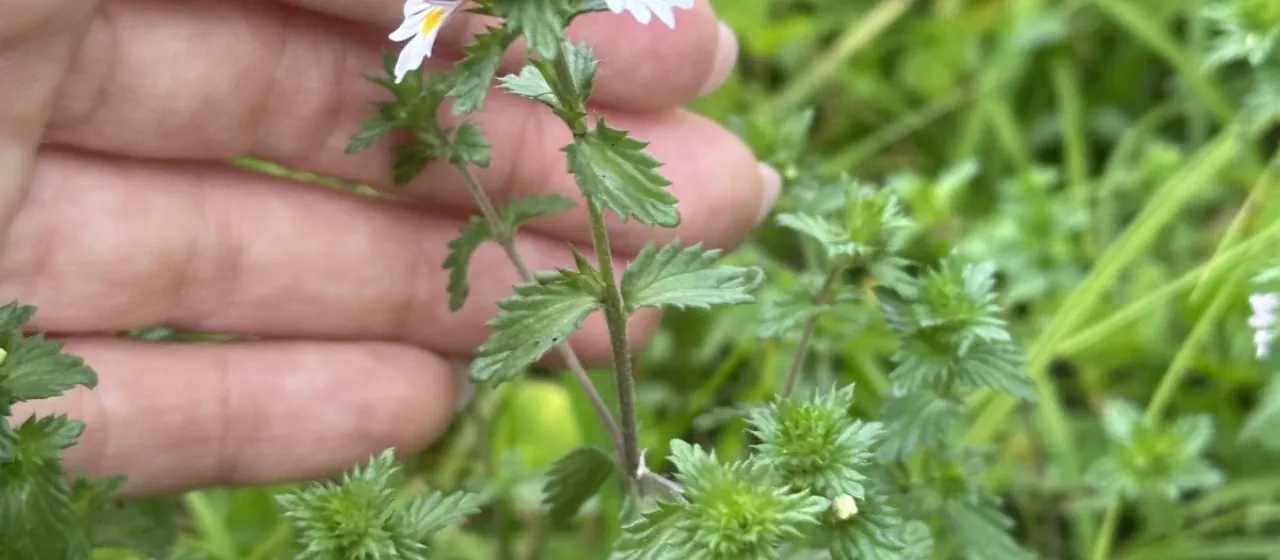
Description
Euphrasia maximowiczii is an annual herbaceous plant belonging to the Orobanchaceae family. In agronomy, it is categorized as a hemiparasitic crop, meaning it depends on the roots of neighboring host plants to acquire vital nutrients, while still retaining the ability to photosynthesize independently.
The native distribution range of this species is primarily found in the Far East, including parts of Japan and Korea. It thrives in temperate climate zones, typically inhabiting open meadows, grassy slopes, and forest fringes where light and moisture conditions provide an optimal environment for growth.
Botanically, the plant is distinguished by a slender stem ranging from 10 to 30 centimeters in height, featuring small, zygomorphic flowers with a distinct color pattern. The root system is relatively rudimentary, as it utilizes specialized haustoria to tap into the root systems of grasses and other herbaceous species to supplement its mineral intake.
Cultivation requirements involve specific ecological conditions, including well-drained soil with a neutral to slightly acidic reaction. Agricultural management is quite specialized, as the successful establishment of the crop relies on the presence of compatible host plants. Due to these unique biological constraints, large-scale commercial farming is generally replaced by small-plot cultivation in controlled settings.
The primary economic value of this crop lies in its pharmaceutical applications. It is traditionally harvested for its secondary metabolites, particularly iridoid glycosides and flavonoids, which are utilized in ophthalmic preparations. Common agricultural pests and diseases are minimal compared to traditional crops, though protection against fungal pathogens is recommended in humid climates.