
Description
Euphrasia rostkoviana, commonly known as eyebright, is an annual herbaceous plant belonging to the Orobanchaceae family. It is distinct in its botanical nature as a semi-parasite, which obtains vital nutrients and water from the root systems of host plants. This specific physiological adaptation makes its cultivation unique compared to standard field crops, requiring careful selection of neighboring flora for successful growth.
The plant is native to Europe and parts of Western Asia, thriving in habitats such as subalpine meadows, pastures, and moist grassy slopes. In agricultural practice, it is classified as a medicinal crop. Its cultivation range is limited to temperate climates where soil moisture levels remain relatively stable throughout the growing season, preventing the plant from experiencing severe stress during its active development phases.
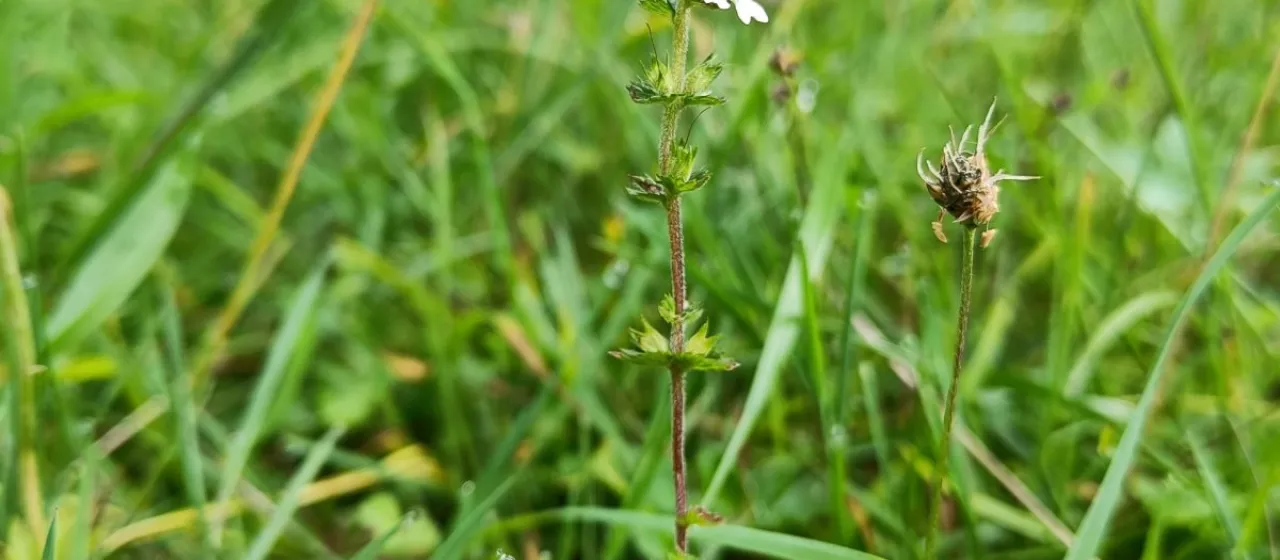
Botanically, the plant features a branched stem and opposite, dentate leaves. Its flowers are highly characteristic, typically white or light purple with a distinct yellow patch that serves as a nectar guide for pollinators. The fruit consists of a capsule containing numerous minute seeds, which are dispersed primarily by gravity or wind, ensuring the survival of the population in its natural environment.
Agronomic requirements for Euphrasia rostkoviana focus on moderate soil conditions and the presence of suitable host species. Proper field management involves avoiding heavy fertilization, as excess nitrogen can discourage the parasitic interaction necessary for the plant's vigor. Weed management is crucial, as competition from invasive or overly dense vegetation can shade out the seedlings and impede their access to host root systems.
In terms of economic value, the entire aerial part of the plant is harvested for use in pharmaceuticals, particularly in the production of ocular treatments and herbal remedies for respiratory conditions. Common phytosanitary risks include powdery mildew and root rot caused by poor soil drainage. Protection against aphid infestations is also a standard necessity to ensure the quality of the harvested botanical raw material.