
Description
Salzburg eyebright (Euphrasia salisburgensis) is an annual herbaceous plant belonging to the Orobanchaceae family. It is recognized as a hemiparasite, meaning it derives some of its nutrients from the root systems of neighboring plants, specifically grasses, while still performing photosynthesis to create its own sugars.
The distribution range of this species is primarily centered in the mountain ranges of Europe, including the Alps, the Pyrenees, and the Carpathians. It thrives in calcium-rich, stony, and dry habitats, often appearing in alpine meadows and limestone pastures. It is considered a niche species within its native ecosystem.
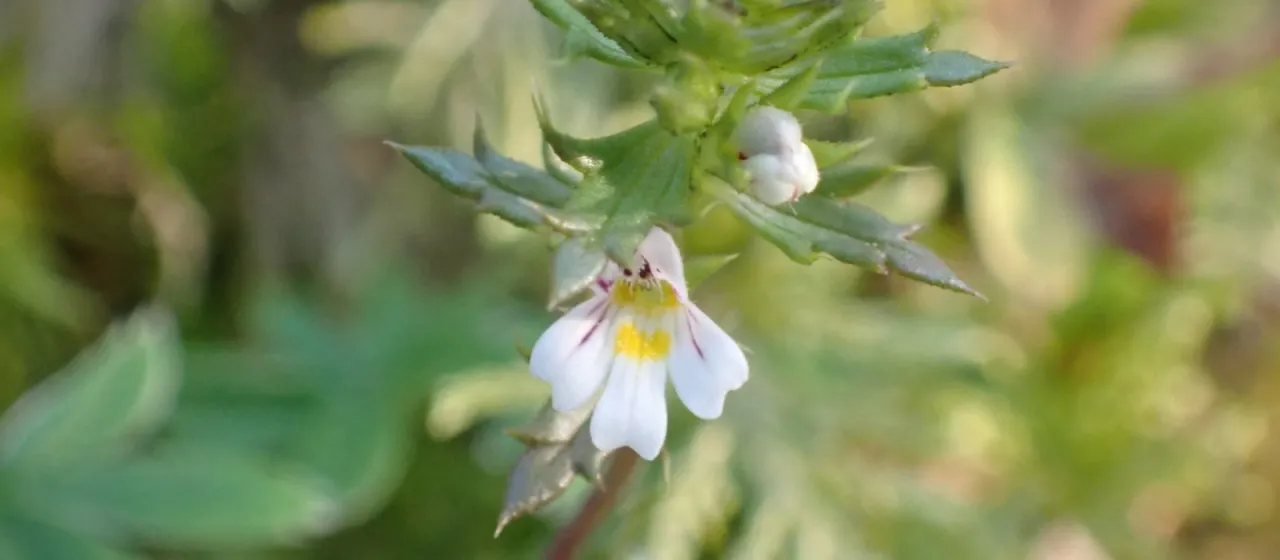
Botanically, this plant is characterized by its small, compact growth habit, typically reaching only a few centimeters in height. The leaves are opposite and slightly serrated, while the flowers display a distinctive bilabiate structure. The corolla is often white to pale lilac, frequently featuring a bright yellow throat, which acts as a nectar guide for pollinating insects.
Cultivation of Euphrasia salisburgensis presents significant agronomic challenges due to its parasitic nature. It cannot be grown successfully in isolation; it requires a compatible host plant to establish a connection via haustoria. Optimal growth is achieved on poor, well-draining soils with high alkalinity, mimicking the specific conditions of alpine slopes.
The plant has been used historically in traditional herbal medicine, primarily for its purported benefits in treating eye-related ailments. While it is not a large-scale agricultural crop, its ecological role as part of the alpine biodiversity is essential. The species is relatively resilient to typical pests, as its hemiparasitic lifestyle limits competition with standard agricultural crops.