
Description
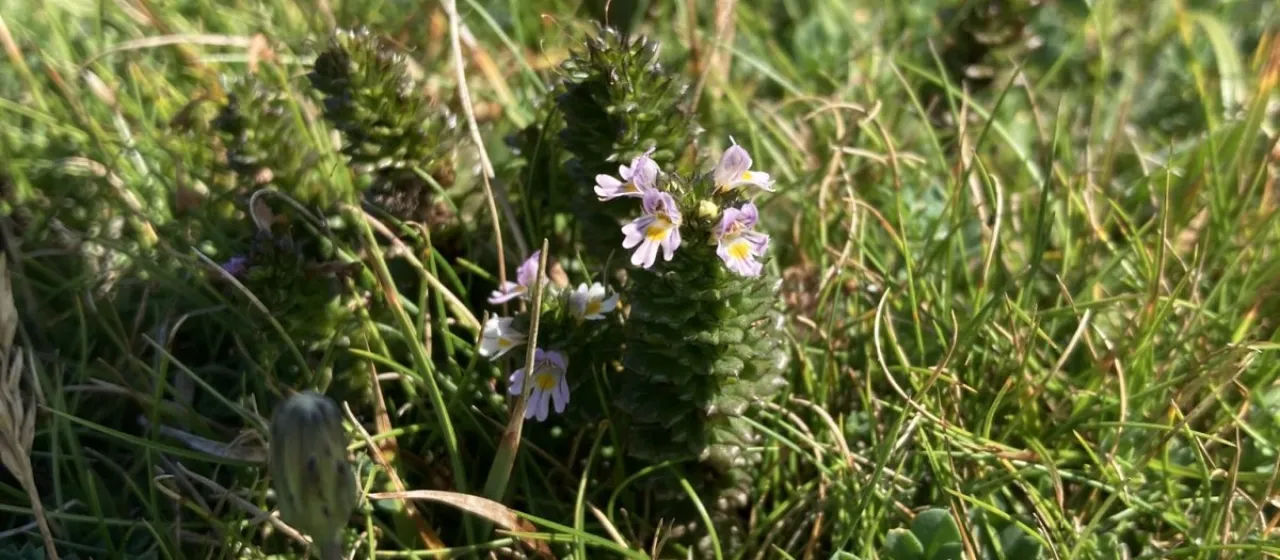
Euphrasia tetraquetra, commonly known as a type of eyebright, is an annual herbaceous plant belonging to the Orobanchaceae family. It is a hemiparasitic plant, meaning it synthesizes its own food through photosynthesis but relies on the root systems of neighboring plants to obtain vital nutrients and water, which is a defining feature of its biological survival strategy.
The origin and natural habitat of this species are primarily found in Western Europe, where it colonizes limestone heaths, coastal dunes, and open, nutrient-poor grasslands. Unlike traditional field crops, Euphrasia tetraquetra does not support extensive monoculture practices. It thrives in locations where competition from tall, aggressive weeds is minimal, allowing it to establish its parasitic connection to host species.
Botanically, the plant is easily identified by its stem, which features four distinct edges, giving it the characteristic 'tetraquetra' shape. The leaves are small, opposite, and serrated along the margins. The flowers, which bloom in a spike-like arrangement, are typically white with yellow markings in the throat, designed to attract specific pollinators such as bees and flies.
Cultivation requirements are strict and revolve around environmental stability. The plant requires well-drained, neutral to alkaline soils with low nitrogen levels. Proper management of the surrounding vegetation is the most critical aspect of 'agrotechnique' for this species, as the host plants must be kept in a vigorous state without shading the eyebright or outcompeting it for light.
The economic and medicinal use of Euphrasia tetraquetra is focused on its therapeutic properties in traditional and modern herbal medicine. Primary applications include:
- Formulation of eye drops and eyewashes to treat ocular inflammation.
- Inclusion in respiratory health supplements for its mild antiseptic properties.
- Use in homeopathic medicine for treating seasonal allergies and eye fatigue.
Regarding pests and diseases, the plant is susceptible to fungal pathogens like powdery mildew in overly humid conditions and aphid infestations. Because the plant's health is intrinsically linked to its host, standard chemical treatments are rarely successful and can even be detrimental to the ecosystem. Consequently, field management relies heavily on biological control and maintaining the natural soil environment to promote plant vigor.