
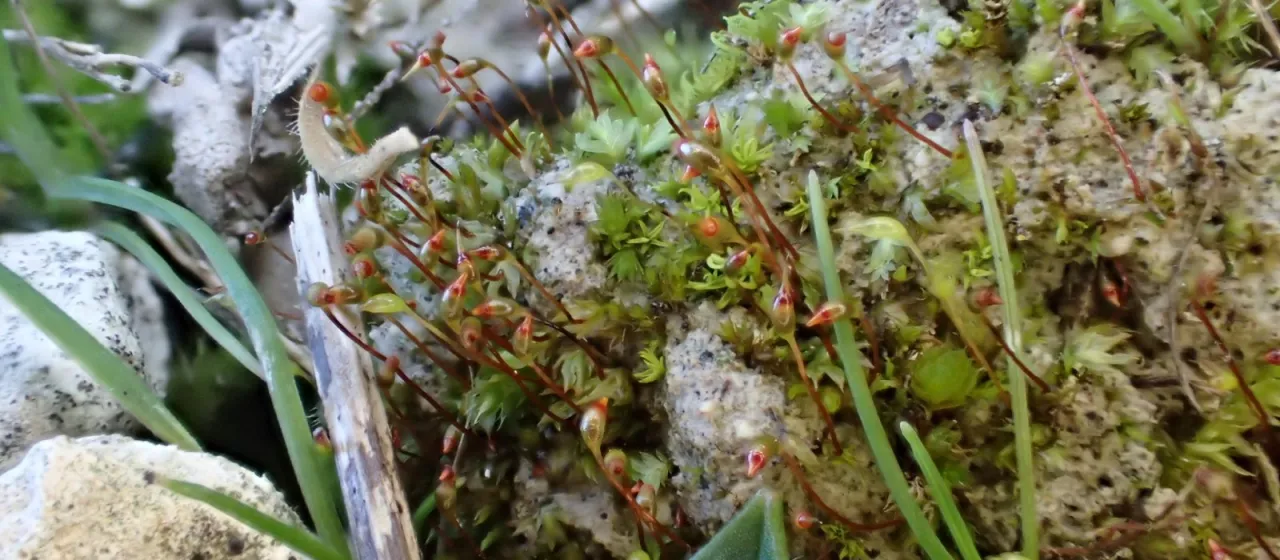
Description
Fissidens incurvus is a diminutive species of moss belonging to the family Fissidentaceae. While not categorized as an agricultural crop, this bryophyte is of significant interest in ecological studies and botanical research due to its specialized physiological adaptations to humid environments.
The origin and range of this species are primarily centered in the temperate zones of the Northern Hemisphere. It is typically found in shaded, moist environments, including woodland floors, riverbanks, and areas near rock outcrops. It thrives in locations where soil moisture remains consistent throughout the year and where direct competition with higher vascular plants is limited.
Botanically, Fissidens incurvus is distinguished by its unique distichous leaf arrangement, where the leaves are attached in two ranks. The leaves possess a complex structure consisting of a dorsal, ventral, and basal lamina, which allows the plant to maximize water absorption. The plants generally form low-profile, dense mats that are highly efficient at stabilizing the top layer of the soil.
Regarding its requirements, the moss is strictly dependent on high ambient humidity and moderate temperatures. It is highly sensitive to environmental pollutants and changes in soil chemistry, making it a reliable bioindicator. Cultivation in human-managed environments requires precise control over lighting and irrigation, as the plant cannot withstand prolonged desiccation or waterlogged conditions.
The хозяйственное (economic) utility of Fissidens incurvus is currently limited to ecological research, habitat restoration, and ornamental aquarium or terrarium use. It faces few traditional agricultural pests; however, the species is susceptible to contamination by molds and competing algae in artificial settings. Its ecological role remains vital for moisture retention and the prevention of micro-level soil erosion.