
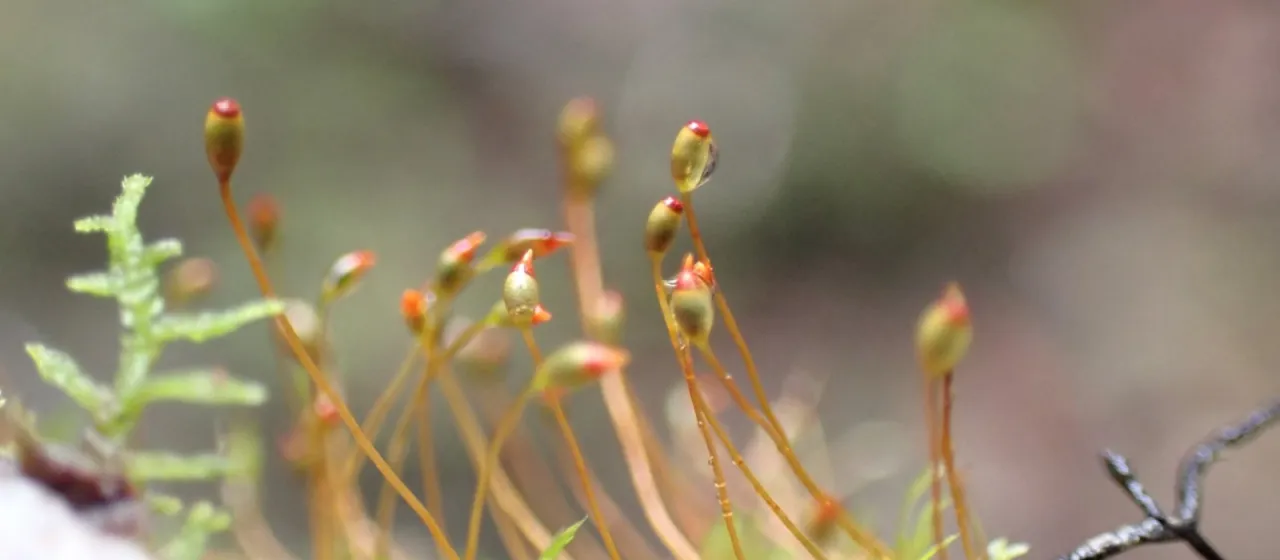
Description
Fissidens limbatus is a small-stature species belonging to the Fissidentaceae family. Often referred to simply as a fork moss, this plant is not a commercial food crop but is highly significant in the fields of bryology and specialized aquatic horticulture. It serves as a fascinating example of botanical adaptation to localized moisture-rich microclimates.
The natural range of Fissidens limbatus is primarily concentrated in parts of North America, particularly in the western regions. It inhabits environments characterized by constant moisture, such as shaded stream banks, damp soil patches, and rocky outcrops. It thrives in temperate regions where shading provides protection from intense desiccation and extreme thermal fluctuations.
Botanically, the species is distinguished by its leaves, which feature a distinct border of clear, elongated cells, providing the species with its characteristic "limbatum" (bordered) appearance. The leaf structure is complex, with a conduplicate base that sheathes the stem. It grows in small, dense tufts or cushions that are aesthetically pleasing and biologically robust when provided with proper environmental conditions.
Cultivation requirements for this moss are quite specific. It demands high relative humidity and filtered light to prevent cellular damage. When used in aquatic or semi-aquatic cultivation, it requires clean, nutrient-poor water to avoid algal competition. Stable, non-fluctuating water parameters are essential for maintaining the health of the colonies over extended periods.
The primary use of Fissidens limbatus is in the aquascaping industry, where it is utilized for decorating hardscapes such as wood or stones. It is considered a slow-growing species, which is valued by enthusiasts. It has no typical agricultural pests, though it is highly susceptible to displacement by invasive filamentous algae, which is the main biological challenge in its cultivation.