
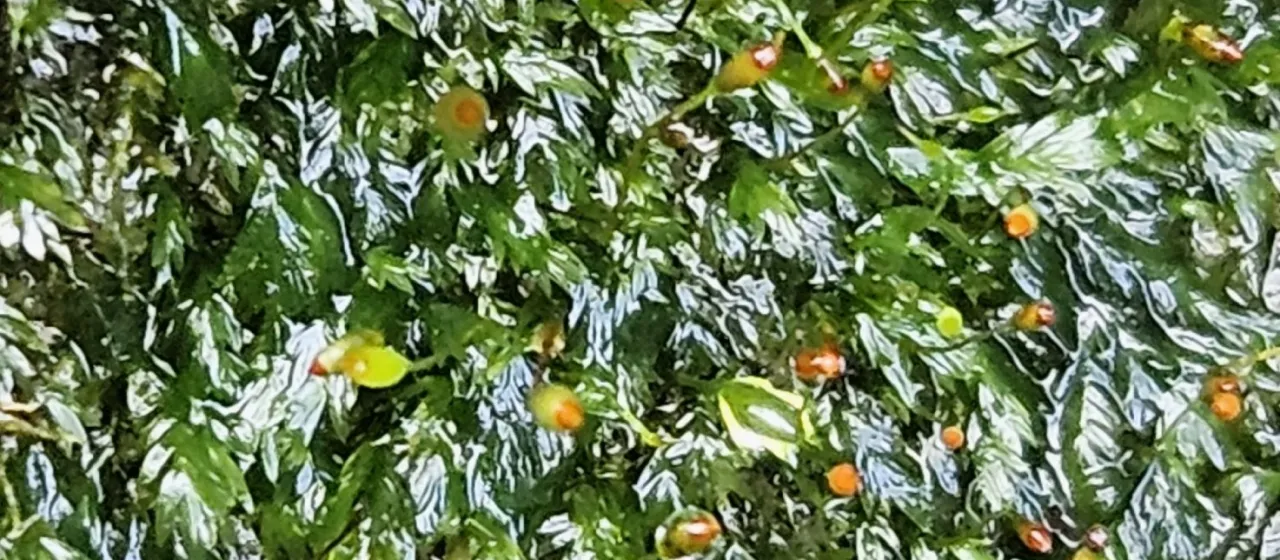
Description
Fissidens pusillus is a species of acrocarpous moss belonging to the family Fissidentaceae. While not an industrial agricultural crop, it is a highly regarded botanical subject in the field of bryology and specialized horticulture, known for its unique structural beauty and ecological adaptability.
The origin of this species is tied to temperate regions throughout the Northern Hemisphere. It thrives in shaded, moist environments, commonly found on damp stones, limestone cliffs, and along the banks of woodland streams where consistent humidity levels are maintained throughout the seasons.
Botanically, the plant is characterized by its miniature size and distinctive distichous leaf arrangement, where leaves are folded to clasp the stem. This specific morphology allows the moss to create dense, lush mats that maximize surface area for moisture absorption and gas exchange in shaded, low-light conditions.
Cultivation requirements for Fissidens pusillus focus on emulating its natural microhabitat. It requires a clean, stable environment with high humidity, indirect light, and a substrate that does not fluctuate in moisture levels. In horticultural settings, it is often grown on porous materials such as volcanic rock or driftwood to allow for proper rhizoid attachment.
In terms of practical usage, this species is primarily cultivated in the aquascaping hobby to provide lush, green textures on hardscape elements. It is relatively resilient, but susceptible to competition from filamentous algae if the nutrient balance in the water column is not strictly regulated, which remains the primary challenge in maintaining healthy cultures.