Juniper-leaf grevillea
Grevillea juniperina R. Br.
Description
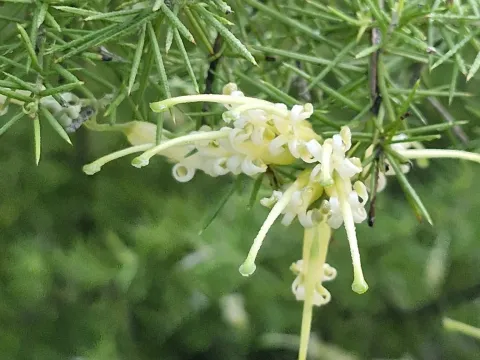
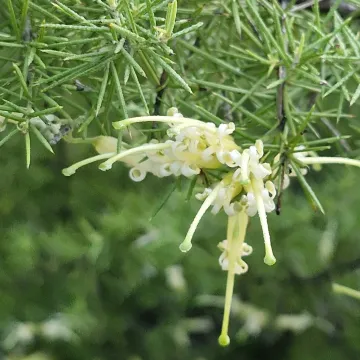
The Juniper-leaf grevillea (Grevillea juniperina) is a hardy, evergreen shrub species belonging to the Proteaceae family. Recognizable by its needle-like, rigid foliage that mimics the appearance of juniper, this plant has become a popular choice for ornamental landscaping due to its resilience and visual interest.
Native to the eastern parts of Australia, this species naturally inhabits diverse environments, ranging from grassy woodlands to rocky slopes. Its ability to thrive in poor, sandy soils has made it an adaptable subject for cultivation in various regions that share a similar Mediterranean or temperate climate.
From a botanical perspective, the plant is best known for its unique floral displays. The flowers are arranged in cluster-like inflorescences, appearing in shades of red, orange, yellow, or pink. These blooms are essentially nectar-rich, attracting local pollinators such as birds and insects, which play a crucial role in the plant's life cycle.
Cultivation requires specific attention to soil composition and drainage. Grevillea juniperina is highly sensitive to phosphorus toxicity; therefore, growers must use fertilizers specially formulated for Proteaceae. The planting site should be well-drained and receive full sunlight to partial shade to ensure optimal growth and prevent fungal issues.
Maintenance involves routine pruning to maintain the desired shape and size, especially when used in hedge applications. The most common pests include mealybugs and scale insects, while root rot remains a primary concern in waterlogged conditions. Careful monitoring and proper soil management remain the cornerstones of successful grevillea cultivation.
Photo gallery