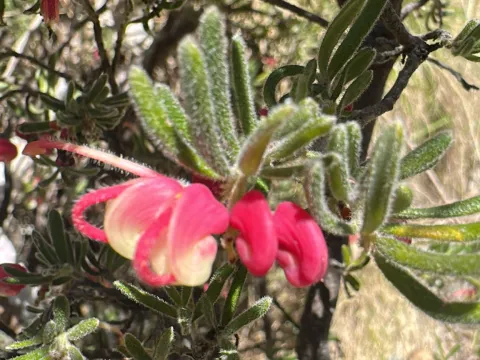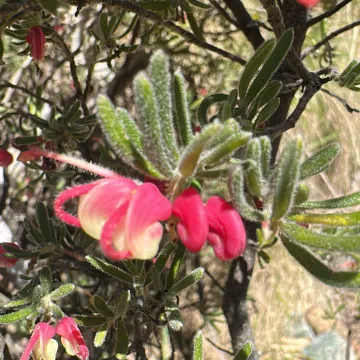
Grevillea woolly
Grevillea lanigera x lavandulacea
Description
Grevillea lanigera x lavandulacea is a distinct hybrid shrub belonging to the Proteaceae family. It is highly valued in horticulture for its resilience and striking inflorescences, which combine the compact, woolly-leafed habit of one parent with the floriferous nature of the other. This hybrid has become a staple in Mediterranean and temperate landscape designs due to its versatile growth pattern.
Originating from the diverse habitats of Australia, the plant has evolved to thrive in nutrient-poor and rocky soil conditions. The cultivation area has expanded globally to regions with Mediterranean or semi-arid climates, where it can be protected from hard frosts. It is widely considered an excellent choice for xeriscaping, as it requires minimal supplemental water once it is fully established in the landscape.
Botanically, the plant is characterized by thick, leathery leaves covered in fine, silvery hairs that reduce transpiration. The inflorescences are distinct brush-like structures that emerge in vibrant shades ranging from cream and pink to deep red. The plant typically presents as a low-spreading shrub, though pruning can encourage a more upright and dense growth habit suitable for hedging.
Agricultural and gardening requirements focus on the soil's chemistry and physical structure. The plants demand well-draining, slightly acidic soil and are extremely sensitive to phosphorus-based fertilizers, which can cause toxicity and plant death. Sunny locations with excellent air circulation are essential to prevent moisture buildup and foliage problems throughout the growing season.
The primary horticultural applications include:
- Using it as a low-maintenance groundcover for large garden beds.
- Integration into rock gardens due to its ability to tolerate shallow soil.
- Attracting native birds, which feed on the abundant nectar produced during flowering.
- Use in sustainable landscaping projects that prioritize drought-tolerant species.
Regarding health management, the most frequent threats include root rot pathogens like Phytophthora, typically triggered by waterlogging or poor drainage. Pests such as mealybugs and spider mites may occasionally infest the foliage, particularly in poorly ventilated conditions. Effective management strategies involve maintaining optimal soil moisture levels and performing periodic hygiene pruning to encourage growth and prevent disease spread.
Photo gallery