Grevillea stenomera
Grevillea stenomera
Description
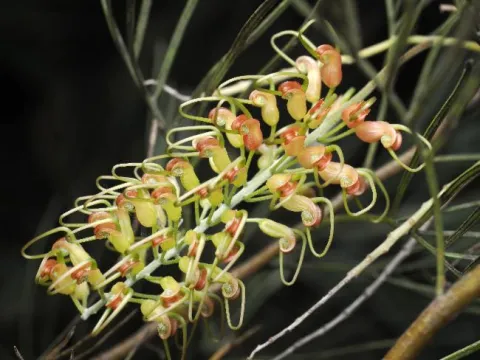
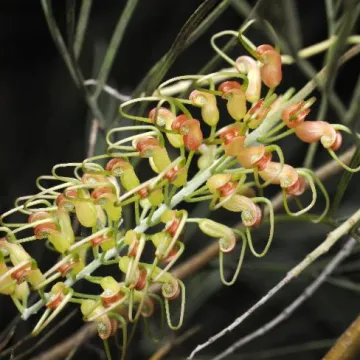
Grevillea stenomera is an attractive perennial shrub belonging to the Proteaceae family. Native to Western Australia, this plant has adapted to survive in sandy plains and heathlands with nutrient-poor soils. It is highly prized in horticulture for its exceptional decorative qualities, including its delicate, fern-like foliage and unique, intricately structured inflorescences.
Botanically, the species is characterized by its pinnate, narrow leaves that give the bush a lightweight and elegant appearance. The flowers are arranged in clusters, exhibiting a range of colors from soft pinks to vibrant reds. Depending on environmental conditions, the shrub can grow up to two meters in height, maintaining a dense and well-branched form when subjected to regular, careful pruning.
Climate requirements for this plant are centered on its need for warmth and intense light, mirroring its native Australian habitat. It thrives in Mediterranean climates where winters are mild. In areas with frost, the plant is typically grown in containers to allow for indoor protection during the winter season. It requires a sunny position, sheltered from strong, cold winds.
Soil quality is a critical factor for success; the substrate must be light, acidic, and exceptionally well-draining. Grevillea stenomera is highly sensitive to waterlogged conditions, which can quickly lead to root decay. Fertilization should be managed with caution, as members of the Proteaceae family are notoriously intolerant to high levels of phosphorus, which can be toxic to them.
- Requires full sun exposure.
- Prefers well-draining, sandy-acidic soil.
- Avoid high-phosphorus fertilizers.
- Keep away from heavy frost.
- Monitor for mealybugs and root rot.
In terms of usage, Grevillea stenomera is primarily an ornamental asset used in garden landscaping and professional floriculture. Its nectar-rich flowers make it a favorite for attracting local pollinators. Common issues include fungal infections of the roots caused by over-irrigation and occasional infestations of sap-sucking pests in greenhouse environments.
Photo gallery