
Description
Haworthia retusa is a perennial succulent plant belonging to the Asphodelaceae family. In the context of horticultural practice, it is recognized as a specialty crop valued for its unique structural aesthetics and its capacity to thrive in arid conditions within controlled environments.
The species is native to the Western Cape province of South Africa. Its natural distribution is characterized by rocky outcrops and stony soils, which serve as an ecological model for defining the plant's agricultural requirements regarding substrate composition and water management.
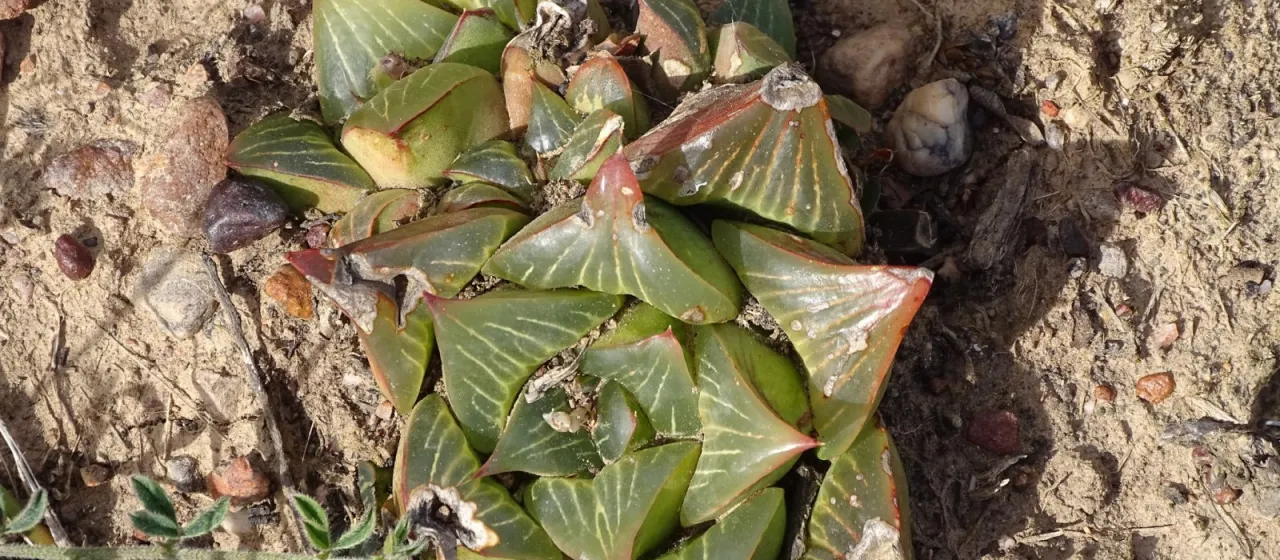
Botanically, the plant forms compact rosettes of succulent leaves with a distinct retused (notched) apex. The leaves are equipped with internal translucent "windows" that allow light to penetrate into the leaf tissues for photosynthesis while reducing the exposure of chlorophyll-containing cells to excessive solar radiation.
Effective agrotechnology for this species mandates the use of highly porous, inorganic-based potting mixes to prevent anaerobic conditions. Key management practices include maintaining moderate light levels—avoiding harsh direct midday sun—and strictly controlled irrigation protocols that permit the medium to dry out completely between waterings to safeguard the root system.
Plant health is primarily compromised by pathogens associated with moisture stress, specifically fungal rot occurring in the crown or root zone. Pests that frequently impact productivity include mealybugs and spider mites; their management requires routine monitoring and the application of appropriate systemic insecticides to maintain high-quality ornamental standards.