
Description
Hippocrepis ciliata, commonly referred to as the ciliate horseshoe vetch, is an annual herbaceous plant belonging to the Fabaceae family. As a leguminous crop, it possesses the natural ability to fix atmospheric nitrogen, contributing to soil fertility, which makes it a notable candidate for sustainable agricultural practices in arid and semi-arid environments.
The origin of this species is traced back to the Mediterranean basin. Its natural distribution range covers Southern Europe, North Africa, and parts of Western Asia. The plant is highly adapted to Mediterranean climates, thriving in open, sunny locations with well-drained soils, often appearing on stony hillsides and rocky habitats.
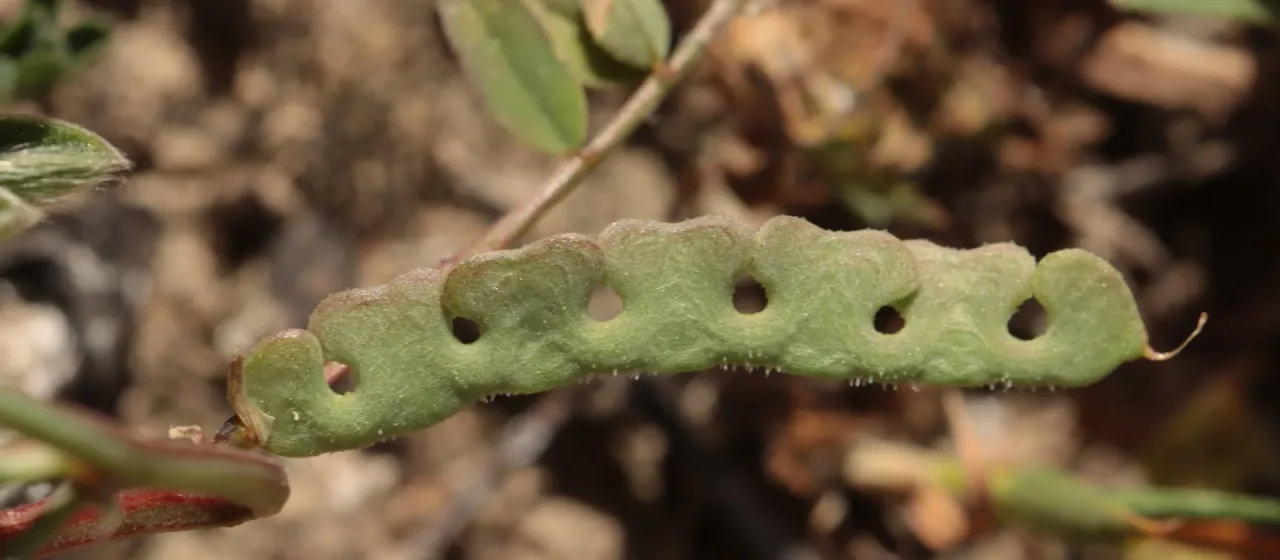
Botanically, the plant is characterized by its prostrate or ascending stems and pinnate leaves. The defining feature of the genus Hippocrepis is its legume fruit, which is distinctly segmented into horseshoe-shaped units. These segments facilitate seed dispersal. The plant typically flowers in the spring, producing yellow, umbellate-like inflorescences that attract various pollinators.
In terms of agricultural requirements, the species is highly drought-tolerant. It prefers alkaline or neutral, well-aerated soils and does not tolerate waterlogging. Its ability to grow in nutrient-poor environments is linked to its symbiotic relationship with nitrogen-fixing bacteria, allowing it to perform well where other forage crops might struggle.
The primary agricultural and economic applications include:
- Enhancement of forage quality in grazing pastures for livestock.
- Soil stabilization and erosion control in arid mountain regions.
- Utilization as a cover crop for soil enrichment in specialized rotations.
Management of pests and diseases requires careful observation. The plant is susceptible to root-rot pathogens if soil drainage is poor. Typical pests include various species of weevils and aphids that may impact overall biomass production. Proper field management involves regular monitoring during the growing season and ensuring optimal spacing to prevent the rapid spread of infections.