
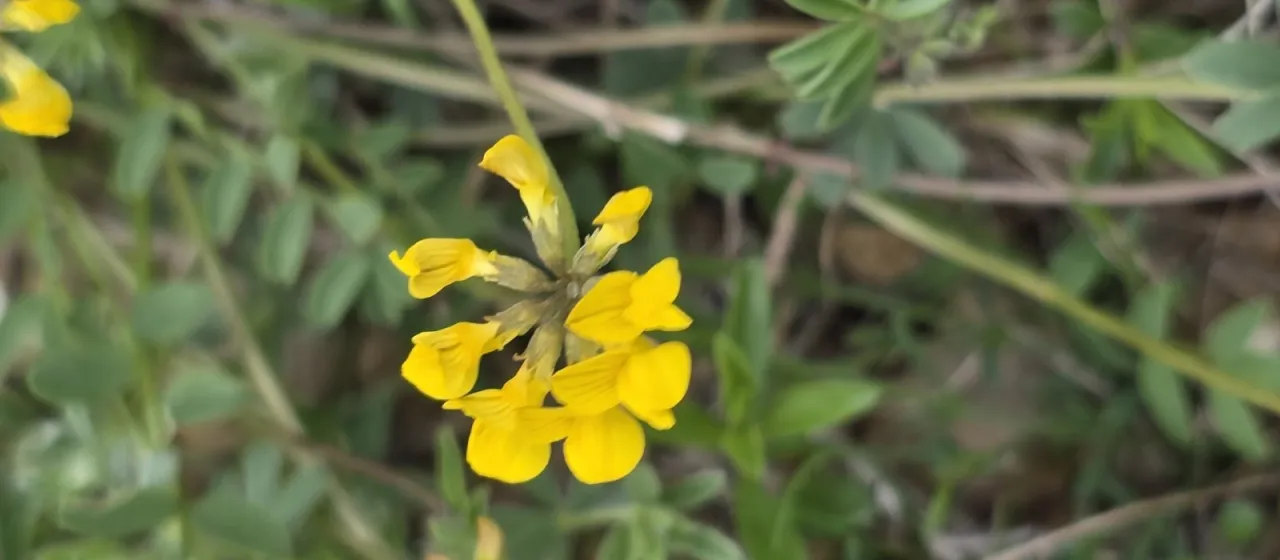
Description
Horseshoe vetch (Hippocrepis comosa) is a resilient perennial herbaceous plant belonging to the Fabaceae (legume) family. It is recognized in agricultural and environmental contexts for its ability to fix atmospheric nitrogen, contributing to soil health and fertility in various pasture systems.
Native to Europe, its natural range extends from the Mediterranean to the British Isles, primarily inhabiting dry grasslands, limestone outcrops, and calcareous soils. This distribution reflects its high tolerance for alkaline conditions and its ability to thrive in nutrient-poor substrates where other crops might struggle.
Botanically, the plant features pinnate leaves and prostrate stems that spread low to the ground. Its most distinct characteristic is the arrangement of its seed pods, which are articulated and curved, resembling a series of horseshoes, giving the species its common and scientific names.
In terms of agricultural management, Horseshoe vetch prefers sunny, well-drained locations with high calcium levels. It is an excellent candidate for phytoremediation and soil stabilization projects, particularly on embankments or steep slopes, and is often included in specialized forage mixes to improve the nutritional profile for livestock.
- Requires minimal irrigation once established.
- Thrives in thin, rocky soils.
- Fixes nitrogen effectively in symbiotic relationships.
- Provides essential habitat for specialized pollinators.
The plant is relatively robust, but it can be susceptible to fungal pathogens like powdery mildew if stagnant moisture occurs. Insect pests, such as certain species of weevils and aphids, may occasionally target the foliage, making balanced field management essential for maintaining long-term crop vigor.