
Description
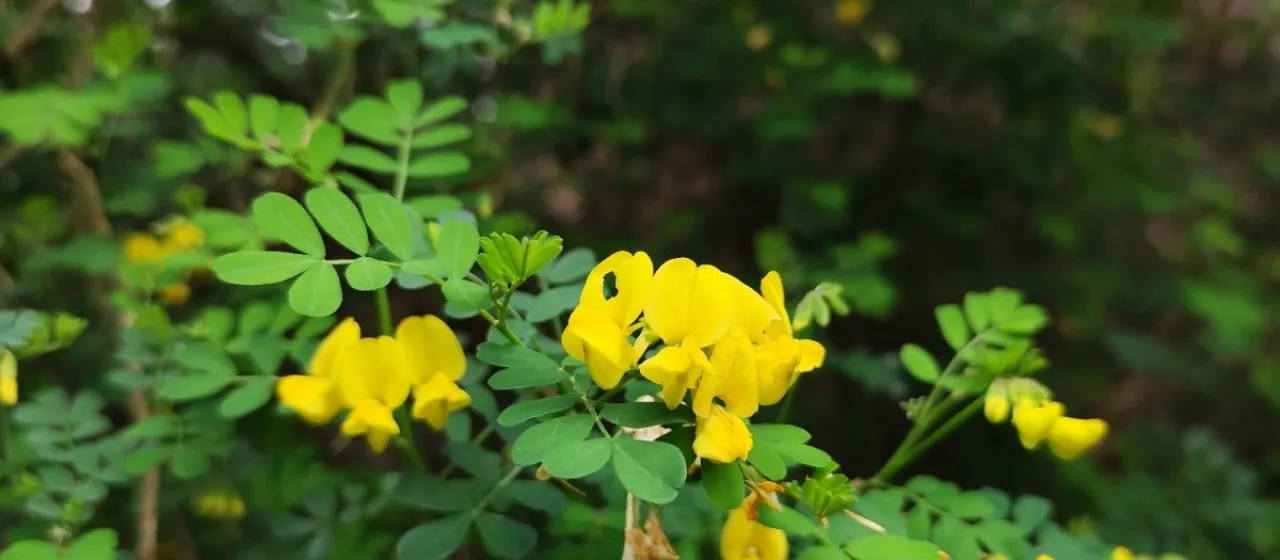
Scorpion senna, botanically identified as Hippocrepis emerus, is a perennial flowering shrub belonging to the Fabaceae family. Growing typically between 50 to 150 centimeters, it is prized for its elegant structure and bright yellow blooms, making it a valuable addition to various landscape applications.
Native to Southern and Central Europe, this species thrives in Mediterranean-type climates. It is frequently found on limestone soils, rocky slopes, and open woodlands, where it demonstrates excellent resilience and adaptability to challenging soil profiles that are low in nutrients but high in mineral content.
The botanical characteristics of Hippocrepis emerus include compound leaves and distinctive yellow flowers that often feature a reddish tinge. Its name is derived from its seed pods, which break into horseshoe-shaped segments, a unique trait that botanical enthusiasts find fascinating during the fruiting phase.
In terms of cultivation, Scorpion senna requires well-drained, alkaline or neutral soil and full sun exposure. It is highly valued for its drought tolerance once established. Minimal intervention is needed, although light annual pruning is recommended to maintain the plant's shape and encourage denser growth and flowering.
The plant has several important agricultural and horticultural applications:
- Use in rock gardens and Mediterranean-style landscapes.
- Provision of nectar for local pollinators and honey bees.
- Erosion control on dry banks and sloping terrain.
- Restoration of biodiversity in alkaline soil environments.
Regarding pest and disease management, the plant is generally hardy. Common concerns include powdery mildew when airflow is restricted and occasional infestations by specific leaf-eating beetles. Providing sufficient space and ensuring excellent drainage are the primary measures for maintaining healthy and vigorous plants.