
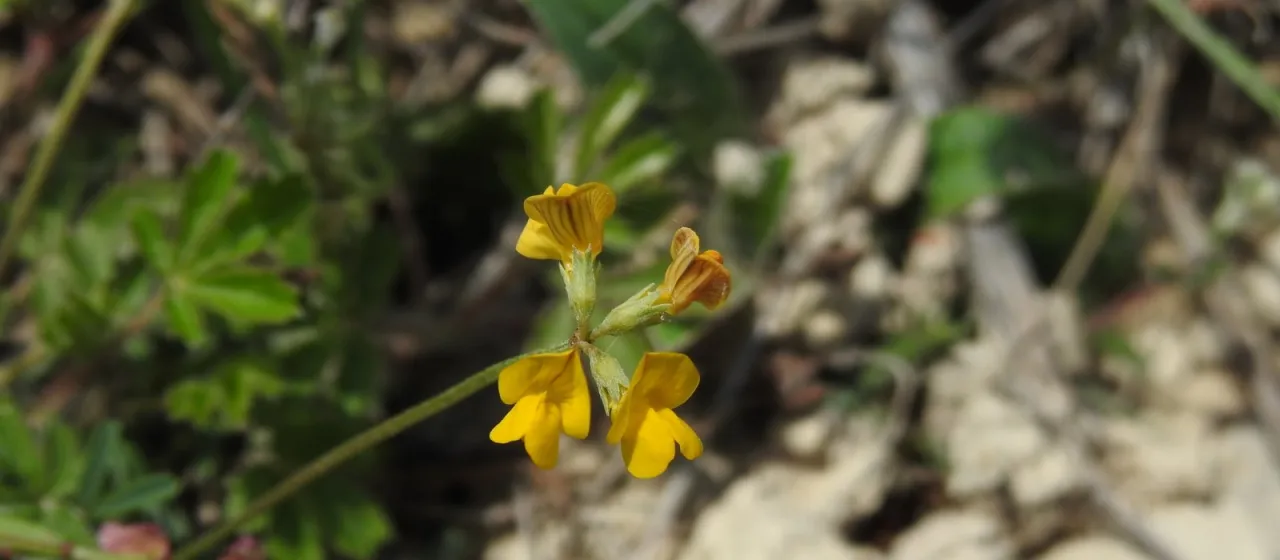
Description
Hippocrepis scorpioides, commonly known as a type of horseshoe vetch, is a perennial herbaceous plant belonging to the Fabaceae family. It is recognized for its unique seed pod structure, which segments into horseshoe-shaped pieces, providing a distinct biological adaptation for seed dispersal in arid environments.
The plant originates from Southern and Central Europe, naturally inhabiting rocky, calcareous soils and sun-drenched slopes. In an agricultural context, it is valued for its hardiness and ability to thrive in poor-nutrient soil conditions where traditional forage crops might struggle to establish or produce reliable biomass.
Botanically, it features a robust taproot system that facilitates survival during dry spells. Its leaves are pinnate, and the flowers are arranged in clusters, characteristic of the pea family. The plant's ability to fix atmospheric nitrogen contributes positively to soil fertility, making it a valuable addition to marginal grassland restoration projects.
Regarding agrotechnics, Hippocrepis scorpioides requires well-drained, alkaline soils and full sun exposure. It is highly intolerant of waterlogging and heavy clay soils. Establishment is best achieved through direct sowing in early spring on prepared sites, ensuring the seed is shallowly planted to maintain consistent soil-to-seed contact.
The primary agricultural use is as part of grazing mixes to improve soil quality and forage diversity. While generally hardy, the crop can be susceptible to common leguminous pests like aphids or fungal issues like powdery mildew. Maintenance typically involves avoiding overgrazing to allow the plant to regenerate its root reserves effectively.