
Description
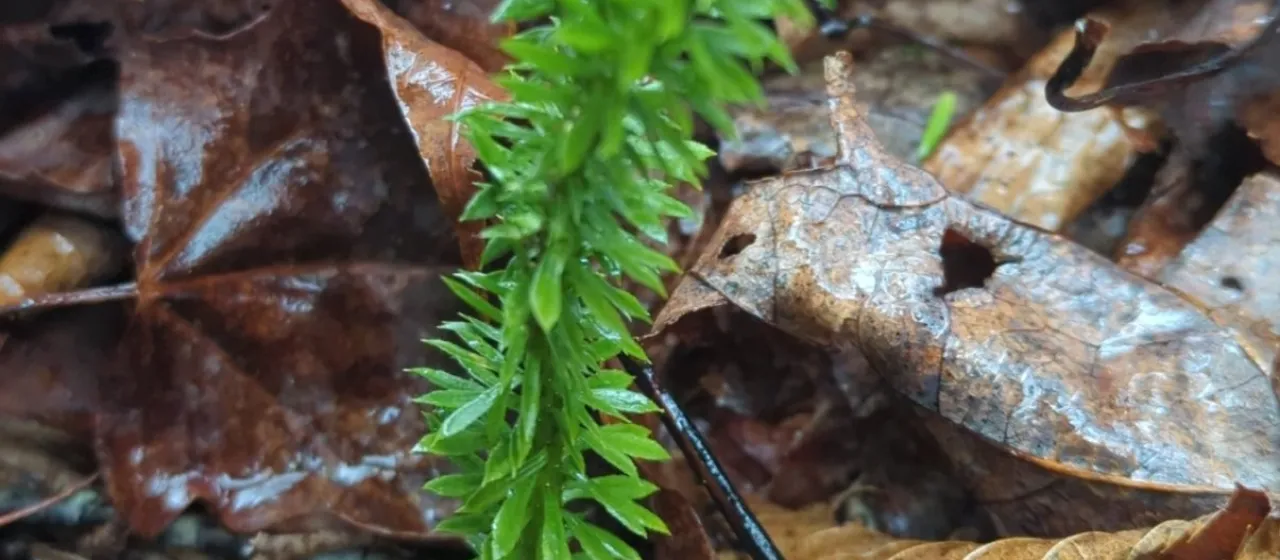
Shining firmoss (Huperzia lucidula) is a perennial spore-bearing plant belonging to the Lycopodiaceae family. Often considered a living fossil, it retains ancestral traits of early vascular plants. While not a conventional agricultural crop, it remains a subject of intense scientific interest due to its unique chemical compounds and specific ecological requirements.
Native to North America, this species inhabits cool, moist forest environments. It is naturally adapted to regions with consistent moisture and deep shade. The plant thrives in environments characterized by nutrient-rich forest litter and high humidity, establishing itself as a characteristic member of the understory vegetation in temperate zones.
Botanically, Huperzia lucidula is distinguished by its dichotomously branching stems covered in glossy, lanceolate microphylls. A defining feature is that its sporangia are located in the axils of ordinary vegetative leaves, rather than in specialized strobili. This structural characteristic makes it a distinct specimen within the Lycopodiaceae family, emphasizing its primitive evolutionary status.
Cultivation requirements are strict and resemble the conditions of a controlled greenhouse or an advanced botanical collection. It requires a highly acidic, organic-rich soil medium that mimics natural forest floors. Constant moisture is essential for health, but it must be balanced with excellent drainage to prevent root rot. Given its evolution, it cannot tolerate direct sun or dry air conditions.
The plant has gained economic attention primarily for its content of huperzine A, a compound under investigation for the treatment of cognitive disorders. Regarding plant health, it is susceptible to fungal infections caused by poor air circulation and excessive moisture. Pests such as slugs or soil-dwelling mites can cause significant damage to the delicate stem tissues if not managed early.