
Description
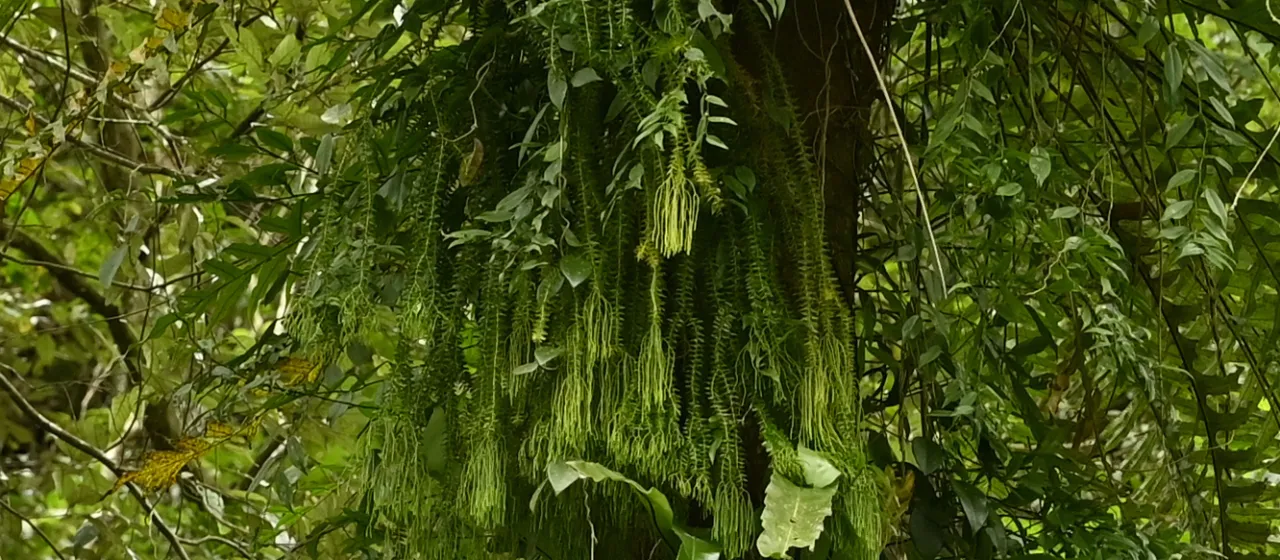
Huperzia phlegmaria, commonly known as the common tassel fern, is a species of plant in the family Huperziaceae. It is a highly specialized epiphytic plant that grows naturally on tree trunks in tropical rainforests, acting as a decorative botanical specimen rather than a traditional food or industrial crop.
The plant originates from the tropical regions of Africa, Asia, and the Pacific Islands. In these natural habitats, it thrives in environments characterized by high humidity and moderate temperatures. Due to its slow growth rate and specific environmental needs, it is primarily cultivated by specialized nurseries and indoor plant enthusiasts.
Botanically, it is distinguished by its long, dichotomously branched stems that hang downwards, giving it a dramatic appearance. The leaves are small, leathery, and spirally arranged along the stem. At the tips of these branches, the plant develops long, slender strobili (spore-producing structures), which are the defining feature of its reproductive cycle.
Cultivation requires precision: the plant demands a growing medium that mimics the bark of trees, such as a mix of orchid bark, perlite, and sphagnum moss. It is vital to maintain high atmospheric humidity and avoid waterlogging the roots. The ideal light conditions involve bright, indirect sunlight to prevent the foliage from scorching or losing its vibrant color.
Common issues in cultivation include fungal root rots caused by poor aeration of the substrate and infestations by pests like mealybugs or spider mites. Maintaining adequate air circulation around the hanging stems is essential to mitigate these risks. As a crop, it represents a high-value ornamental species requiring patience and expertise from the producer.