
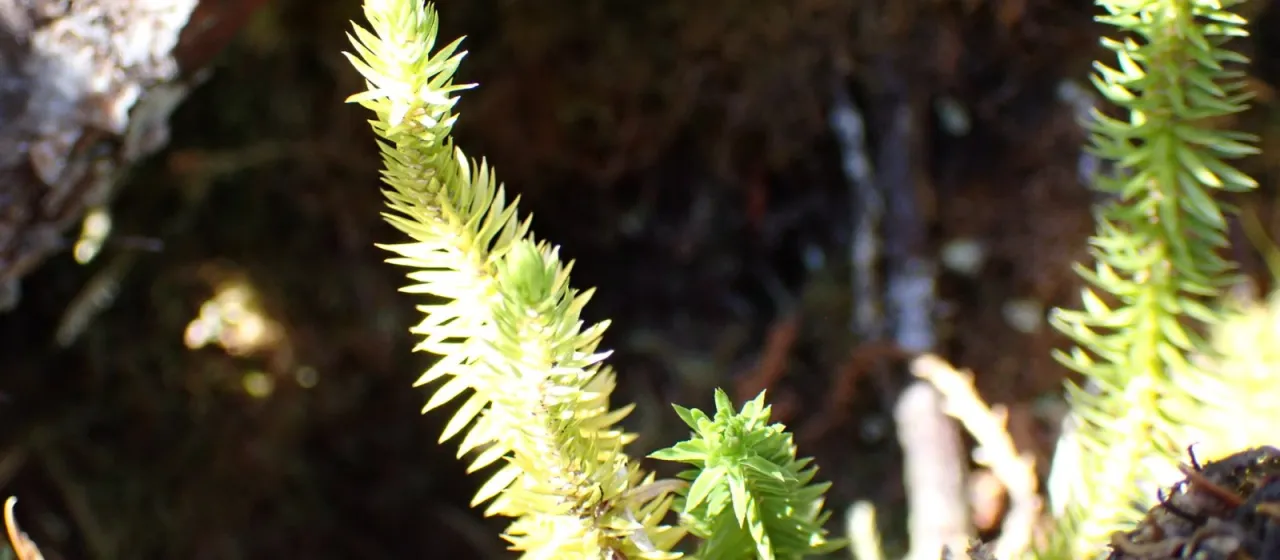
Description
Huperzia miyoshiana, commonly referred to as Miyoshi's clubmoss, is a perennial spore-bearing plant belonging to the Huperziaceae family. While not a traditional crop in the conventional sense, it is gaining interest in specialized horticultural and pharmaceutical circles due to its unique chemical profile and ornamental appeal in shaded environments.
The native habitat of this species is primarily located in the temperate regions of East Asia, including parts of Japan and the Russian Far East. It thrives in high-humidity, cool, and shaded forest understories. Successfully cultivating this plant requires an environment that mimics these specific conditions, making it a challenging species to produce on a large scale.
Botanically, Huperzia miyoshiana is characterized by erect or ascending stems forming compact clumps. The leaves are small, lanceolate, and spirally arranged along the stem. Unlike common ferns, this plant produces spores in the axils of ordinary foliage leaves, a distinguishing feature of the genus Huperzia that is crucial for identification and systematic classification.
The agronomic requirements for this species are centered on the quality of the growing medium. It demands a highly acidic, organic-rich soil, often composed of peat and decayed conifer needles, which provides both the necessary nutrients and the correct pH level. Consistent moisture is essential; the soil should never be allowed to dry out completely, yet proper drainage must be ensured to prevent root suffocation.
- Ornamental value for specialized shade gardens and terrariums.
- Extraction of secondary metabolites, such as huperzine alkaloids, for pharmaceutical research.
- Utilization in ecological restoration projects within its native range.
- Educational and research use in botanical institutions.
Common issues in the cultivation of Miyoshi's clubmoss include fungal pathogens like Rhizoctonia, which cause collar rot, particularly in conditions of poor air circulation. Pests such as spider mites and mealybugs can also infest the dense stems. Effective management relies on strict hygiene, maintaining optimal air humidity, and the occasional application of systemic fungicides to protect the health of the plant population.