
Description
Huperzia nummulariifolia is a distinct perennial spore-bearing plant belonging to the family Huperziaceae. As a specialized epiphyte, this plant exhibits a unique growth habit, primarily utilizing trees as physical support rather than relying on terrestrial soils for nutrient uptake.
Originating from the tropical rainforests of Southeast Asia, this species thrives in high-humidity environments. Its native range spans across Indonesia, Malaysia, and nearby tropical zones, where it occupies niches in the canopy of trees, benefiting from the moisture-laden atmosphere and the accumulation of organic debris.
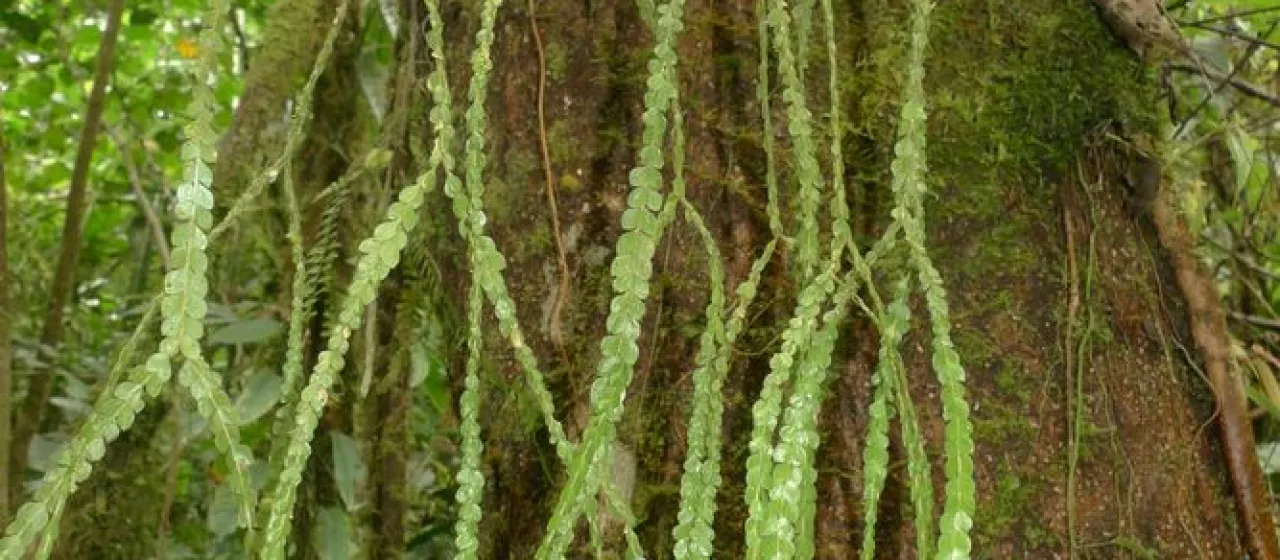
The botanical characteristics of this plant include elongated, pendulous stems densely covered with small, coin-shaped leaves. This morphology allows the plant to adapt to its canopy environment efficiently. The root system is relatively delicate, functioning primarily for anchorage and absorbing nutrients directly from the ambient air and rainwater.
Agronomic requirements for cultivating this species under artificial conditions involve maintaining strict tropical parameters. It demands high relative humidity (above 70%), moderate temperatures between 20°C and 25°C, and bright, indirect light. Using an orchid-grade substrate that allows for maximum aeration around the root zone is crucial for long-term health.
The primary horticultural application of Huperzia nummulariifolia is in the premium ornamental market and specialized plant collections. Because it is highly sensitive to environmental fluctuations, it is categorized as a challenge for enthusiasts. Typical issues faced during its cultivation include:
- Infestations of spider mites in low-humidity conditions.
- Root rot caused by stagnant water or excessively dense soil media.
- Leaf drop resulting from cold drafts or drastic temperature fluctuations.