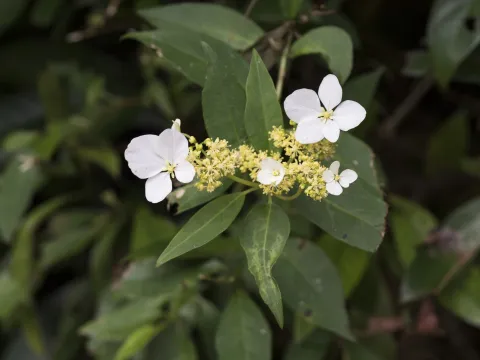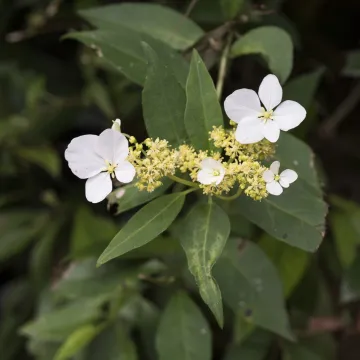
Hybrid Hydrangea chinensis and Hydrangea macrophylla
Hydrangea chinensis Maxim. x Hydrangea macrophylla (Thunb.) Ser.
Description
The hybrid Hydrangea chinensis Maxim. x Hydrangea macrophylla (Thunb.) Ser. is a specialized ornamental plant belonging to the Hydrangeaceae family. By combining the resilience and unique traits of these two distinct species, this hybrid has become a highly sought-after specimen for nurseries and sophisticated garden installations.
The original species are native to the temperate regions of East Asia. In agricultural and horticultural contexts, the hybrid requires a climate that avoids extreme winters, as the vegetative buds are prone to frost damage. Successful cultivation typically occurs in regions where seasonal transitions are gradual and humidity levels remain relatively high throughout the growing season.
Botanically, this shrub is characterized by a vigorous growth habit, large serrated foliage, and showy inflorescences. A critical biological feature is its flowering cycle: because blooms develop on previous year’s wood, proper pruning techniques are essential to ensure the plant's aesthetic performance during the subsequent flowering period.
The cultivation requirements are quite specific and demand careful attention: the substrate must be acidic, well-draining, and rich in organic matter. Partial shade is generally preferred to prevent leaf scorch, especially in regions with intense summer heat. Proper moisture management is non-negotiable, as the plant suffers quickly under drought stress, which directly impacts bud formation.
The primary use of this crop is in the landscape industry, ranging from park development to container gardening for commercial sale. Common health issues include iron chlorosis, powdery mildew, and gray mold, which often arise from inadequate soil pH or poor air circulation. Integrated pest management, focusing on early detection of aphids and spider mites, is necessary to maintain high-quality ornamental standards.
Photo gallery