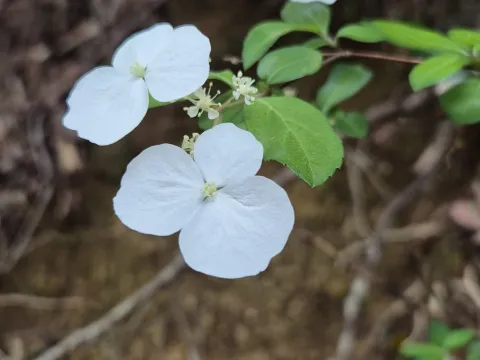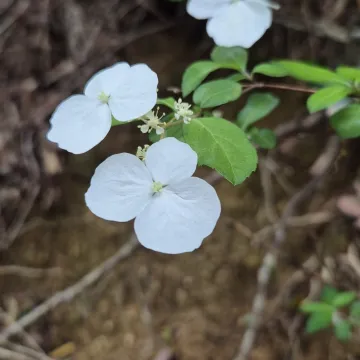
Yellow-veined hydrangea
Hydrangea luteovenosa Koidz.
Description
The yellow-veined hydrangea (Hydrangea luteovenosa Koidz.) is a distinctive species of deciduous shrub belonging to the Hydrangeaceae family. Known for its specific foliage characteristics, this plant is a specialty species that holds significant interest for botanical gardens and specialized woody plant collections around the world.
Originating from East Asia, specifically Japan, this species naturally inhabits mountain forest understories. Its native range implies an evolutionary adaptation to cool, shaded environments with consistent ambient humidity. Cultivating it outside its native range requires careful site selection to mimic these forest floor conditions.
Botanically, the species is identified by its foliage, where the leaf veins display a noticeable yellowish or pale coloration, distinguishing it from the common green-leafed varieties. The plant develops a refined, balanced shrub habit. Its flowers, arranged in modest corymbs, contribute to an understated and elegant aesthetic rather than the showy, oversized blooms of commercial cultivars.
Successful cultivation relies on maintaining acidic, moisture-retentive, and well-draining soil rich in organic matter. Growers must avoid waterlogged conditions, which can lead to root rot. Providing mulch is essential for stabilizing soil temperature and moisture levels, as the root system of this species is sensitive to heat and desiccation.
In terms of хозяйственное usage (ornamental horticulture), it is prized for its contribution to woodland garden themes and naturalistic landscape designs. Common pests include aphids and mites, particularly when the plant is stressed by poor environmental conditions. Maintaining proper airflow and sanitation in the garden helps mitigate the risk of fungal pathogens and infestations.
Photo gallery