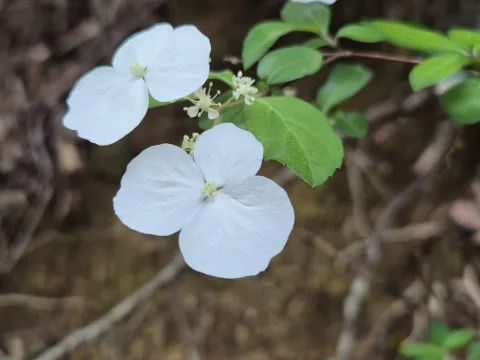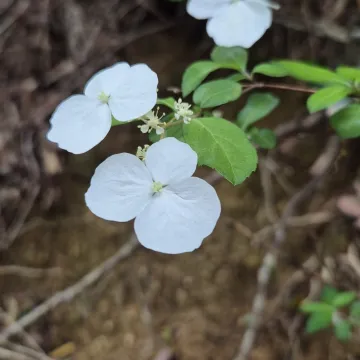
Hydrangea luteovenosa hybrid
Hydrangea luteovenosa Koidz. x Hydrangea macrophylla (Thunb.) Ser.
Description
The Hydrangea luteovenosa hybrid, resulting from the cross-breeding of Hydrangea luteovenosa and Hydrangea macrophylla, is a sophisticated ornamental shrub belonging to the Hydrangeaceae family. This hybrid is highly prized by collectors for its unique foliage patterns and the impressive floral displays characteristic of the macrophylla species, blending exotic genetics with classic horticultural appeal.
The origin of these parent species is rooted in the temperate forest regions of East Asia, primarily in Japan and China. In these native environments, they thrive in protected, humid, and shaded mountain slopes. Consequently, the hybrid requires a stable microclimate to flourish, making it best suited for temperate garden zones or controlled greenhouse environments.
Botanically, the plant is recognized by its distinct leaf venation, which often displays lighter, prominent veins. The shrub structure is woody and persistent, capable of reaching moderate heights. The inflorescences, which can be lacecap or mophead in form, are sensitive to soil composition, often displaying a range of colors from soft pastels to deep, vivid hues based on soil acidity levels.
Cultivation demands attention to detail, particularly regarding soil pH and moisture retention. A well-draining, acidic substrate enriched with organic matter is essential for root health. The plant performs best when kept in partial shade, as intense sunlight can scorch the foliage and shorten the duration of the blooms. Consistent watering with non-alkaline water is critical to maintaining soil pH stability.
- Maintenance of a consistently acidic soil environment.
- Mulching with organic matter to retain moisture.
- Pruning only dead or damaged stems after flowering.
- Applying specific fertilizers to enhance color depth.
This hybrid is primarily utilized in ornamental landscaping, suitable for container gardening or shaded border plantings. Like other hydrangeas, it is susceptible to pests such as spider mites and aphids, as well as fungal issues like powdery mildew if air circulation is poor. Regular monitoring and appropriate fungicide application are necessary to ensure the plant maintains its structural integrity and aesthetic value throughout the growing season.
Photo gallery