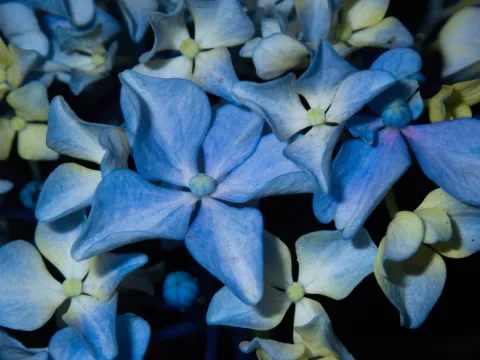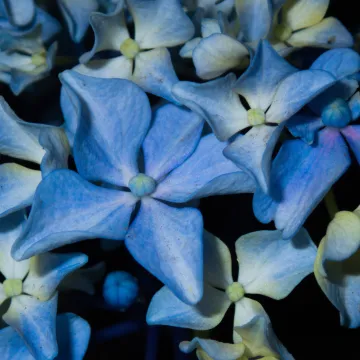

Bigleaf hydrangea
Hydrangea macrophylla (Thunb.) Ser.
Description
Bigleaf hydrangea (Hydrangea macrophylla) is a popular flowering shrub belonging to the family Hydrangeaceae. Renowned for its spectacular, large-scale inflorescences, this plant is a staple in temperate ornamental gardening, often characterized by its ability to change flower color based on the soil's aluminium availability and pH levels.
Native to East Asia, specifically Japan and the southern parts of China, the species thrives in woodland margins and areas with high humidity. Its natural habitat has dictated its cultural requirements, favoring temperate climates where it can be protected from extreme cold or intense, direct afternoon sun during the peak summer months.
Botanically, this shrub can reach heights of 1 to 2 meters with dense, broad foliage that creates a lush, green aesthetic. The plants exhibit a fibrous, shallow root system that requires consistent moisture levels to sustain their rapid growth and expansive leaf surface area throughout the active vegetation season.
The agronomic management of this crop requires well-drained, acidic soil rich in organic matter. Proper fertilization is crucial, as is the application of mulch to conserve soil moisture. Pruning must be performed with caution, focusing on dead wood removal, as these plants develop flower buds on the previous year's growth, making them sensitive to late spring frosts.
In terms of commercial usage, Hydrangea macrophylla is highly significant in the nursery and greenhouse industry. It is widely produced for garden centers, landscaping projects, and high-end floral design. The ability to manipulate flower color through specific soil amendments adds significant market value to the plant, making it a versatile choice for commercial growers.
- Powdery mildew: a fungal disease causing white spots on foliage.
- Iron chlorosis: yellowing of leaves caused by alkaline soil conditions.
- Aphids: small insects that feed on sap, often found on new growth.
- Botrytis blight: causes decay in flowers during periods of high humidity.
Photo gallery