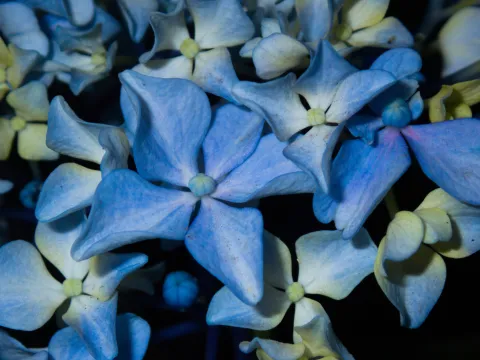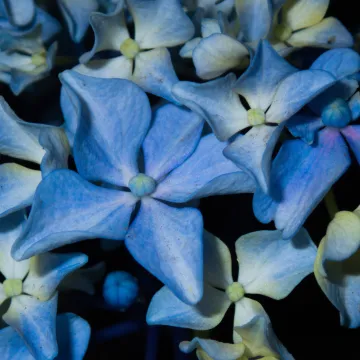

Bigleaf hydrangea
Hydrangea macrophylla (Thunb.) Ser. x H. scandens (L. f.) Ser.
Description
Bigleaf hydrangea (Hydrangea macrophylla) is a flowering perennial shrub belonging to the Hydrangeaceae family. Known for its lush, spherical blooms and large foliage, it serves as a staple in ornamental horticulture, valued for its ability to provide vibrant color in shady and semi-shady garden areas.
The species originates from East Asia, specifically from the humid forests of Japan and China. While it has been introduced to gardens globally, its successful cultivation depends on mimicking its native temperate and humid environmental conditions. In many regions, it is grown as a premium container plant or a focal point in landscape beds.
Botanically, this shrub features sturdy woody stems and broad, ovate leaves. The flowers are arranged in large corymbs or panicles, often referred to as mopheads or lacecaps. A fascinating botanical trait is the cultivar-specific reaction to soil chemistry, where the presence of aluminum ions in acidic soils turns the blooms blue, while higher pH levels result in pink or red shades.
Cultivation requires careful site selection, prioritizing locations with morning sun and afternoon shade to prevent leaf scorch. The soil must be nutrient-rich, moist, and well-drained, with an acidic pH balance. Regular irrigation is non-negotiable, as the plant is highly susceptible to drought stress. Cold hardiness is a major factor; in colder climates, winter protection is essential to prevent damage to the flower buds formed on the previous year's wood.
Bigleaf hydrangeas are widely used in landscaping for mass plantings, decorative hedges, and container gardening. Common health issues include chlorosis, often due to micronutrient deficiency, and fungal diseases like powdery mildew and Botrytis blight. Pest management usually focuses on controlling aphids and spider mites, which can proliferate in dry, warm conditions.
- Managing soil pH to control blossom color intensity.
- Providing consistent moisture and avoiding overhead irrigation.
- Strategic pruning to maintain shape without removing future flower buds.
- Applying winter mulch to insulate the roots in colder regions.
Photo gallery