
Description
Japanese larch (Larix kaempferi) is a fast-growing deciduous coniferous tree belonging to the Pine family (Pinaceae). It is highly prized in both commercial forestry and ornamental gardening due to its rapid growth rate, elegant appearance, and the exceptional durability of its timber.
The tree originates from the mountainous regions of central Honshu, Japan. It is perfectly adapted to cool, moist mountain climates but has proven highly successful when introduced to various temperate regions across the Northern Hemisphere. Its ability to colonize different sites makes it a popular choice for large-scale afforestation projects.
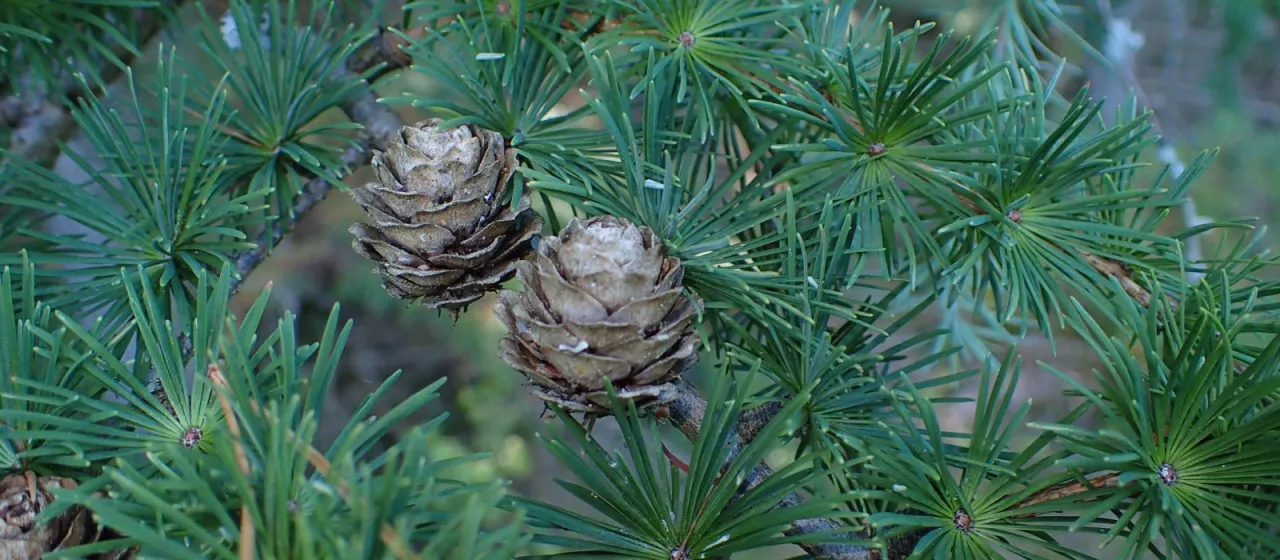
Botanically, the Japanese larch is characterized by its broad, conical crown and horizontal branches that reach maturity quickly. The needles are glaucous green in summer, turning a brilliant gold in autumn before they drop. The cones are distinctively globular with recurved scales, which differentiates this species from the more common European larch.
For optimal growth, this culture requires deep, well-drained, and nutrient-rich soils. It is intolerant of waterlogged areas and requires full sun exposure to maintain its shape and health. While it is hardy against low temperatures, young trees should be protected from harsh winds and late spring frosts that can damage developing buds.
The economic and practical applications of Japanese larch include:
- Timber production: The wood is dense, rot-resistant, and suitable for outdoor construction.
- Landscape design: It serves as an excellent focal point in large gardens and parks.
- Afforestation: Used for carbon sequestration and reforestation of degraded lands.
- Windbreak utility: Acts as a robust barrier against wind in exposed farming areas.
Pests and diseases, such as larch canker and various aphid species (like the larch adelgid), can affect the trees, particularly in dense stands with poor airflow. Good management practices, including thinning and the removal of infected needles, are essential for maintaining a healthy plantation. Regular monitoring and appropriate chemical treatments remain the standard for effective pest control.