
Description
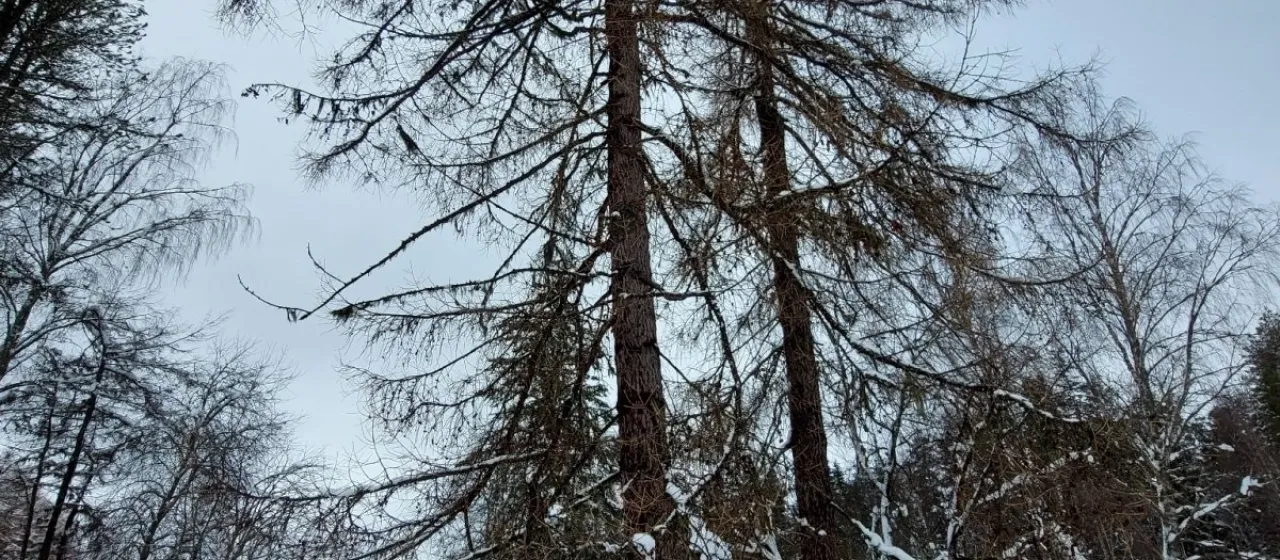
Siberian larch (Latin: Larix sibirica Ledeb.) is a prominent conifer species belonging to the Pinaceae family. It is a deciduous conifer, meaning it sheds its needles annually during the autumn, which allows it to thrive in extremely cold environments where other evergreen conifers would suffer from physiological dehydration during winter months.
The native range of this species extends across Siberia, Northern Europe, and parts of Central Asia. As a forestry crop, the Siberian larch is highly regarded for its resilience and ability to dominate diverse ecological zones, ranging from marshy lowlands to well-drained mountain slopes within its natural distribution area.
Botanically, the tree is characterized by a straight trunk that can grow up to 45 meters tall. Its root system is deep and plastic, providing excellent stability against high winds. The needles are soft, arranged in bundles on short shoots, and the cones are relatively small, typically ripening within a single growing season.
In terms of agricultural and forestry management, Siberian larch is extremely photophilic, requiring full exposure to sunlight to reach its maximum growth potential. It thrives best in fertile, well-drained soils, although it is hardy enough to adapt to a variety of substrates. Regular monitoring of soil moisture is essential, as waterlogged conditions during the early stages of growth can hinder root development.
The economic and industrial value of Siberian larch is rooted in the exceptional properties of its timber, which is known for its density, hardness, and high resistance to rot. Key applications include:
- Structural timber for outdoor construction and decking.
- Railway sleepers and utility poles due to high durability.
- Marine engineering structures, including piers and boat building.
- Production of high-quality cellulose for the chemical industry.
The species is subject to several pests and diseases, including the Siberian silkmoth, which can cause significant defoliation. Fungal diseases such as larch canker (Lachnellula willkommii) and various types of needle cast (larch needle cast) are the most common health challenges, usually appearing in environments with high humidity and poor air circulation.