
Description
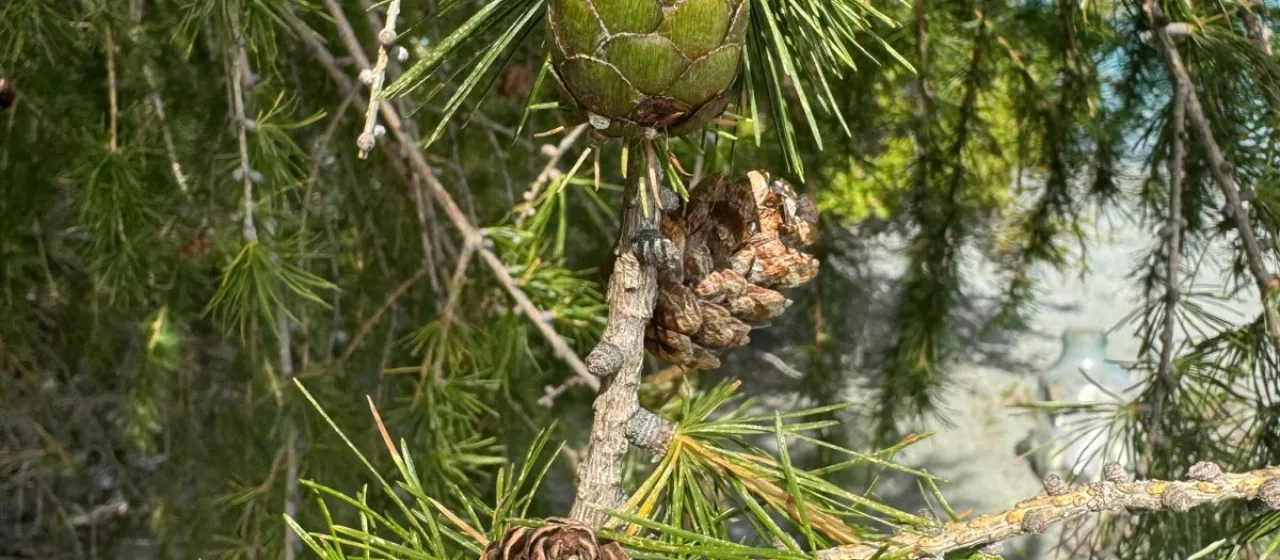
The European larch (Larix decidua Mill.) is a prominent deciduous conifer belonging to the Pinaceae family. Unlike most evergreen trees, the European larch sheds its needles annually in the autumn, a unique physiological adaptation that allows it to withstand severe cold and reduce water loss during the winter months.
The native range of this species is primarily the mountains of Central Europe, specifically the Alps and the Carpathians. Due to its rapid growth rate and adaptability to various environmental conditions, it has been widely introduced across the temperate regions of the world, becoming a staple in both commercial forestry and ornamental landscaping.
Botanically, the European larch is characterized by a straight, tall trunk and a conical crown that broadens as the tree matures. It features delicate, soft needles arranged in clusters on short shoots. The root system is deep and expansive, providing excellent stability against strong winds, which makes the tree suitable for exposed mountain slopes and forest plantations.
Successful cultivation requires specific environmental conditions, as the species is highly intolerant to shade. It thrives in well-drained, nutrient-rich soils and performs best in cool, humid climates. It is sensitive to stagnant water, which can lead to root rot; therefore, selecting well-drained sites is crucial for establishing productive plantations.
Health management is essential, as the species is susceptible to several pathogens and pests. Larch canker, caused by specific fungi, is a notable concern in unfavorable climate conditions. Pest management focuses on controlling aphids and case-bearers that can significantly impact foliage development and overall tree vigor during the spring growth phase.
- Construction industry: Known for its rot resistance, high density, and durability in marine and outdoor environments.
- Landscaping: Used as an elegant specimen tree in large parks and gardens.
- Forestry: Valued for its rapid biomass accumulation and high-quality timber yield.
- Traditional medicine: Essential oils and bark extracts are used in various therapeutic applications.