
Description
Dahurian larch (Larix gmelinii) is a deciduous coniferous tree belonging to the family Pinaceae. Renowned for its exceptional cold tolerance, it is a key species in boreal forest ecosystems, possessing the unique adaptation of shedding its needles annually to withstand the harshest winter temperatures on the planet.
Native to Eastern Siberia, the Russian Far East, and Northeast Asia, this species dominates vast tracts of permafrost terrain. Its evolutionary success is attributed to its ability to colonize nutrient-poor soils, rocky slopes, and peatlands, where other tree species struggle to establish themselves.
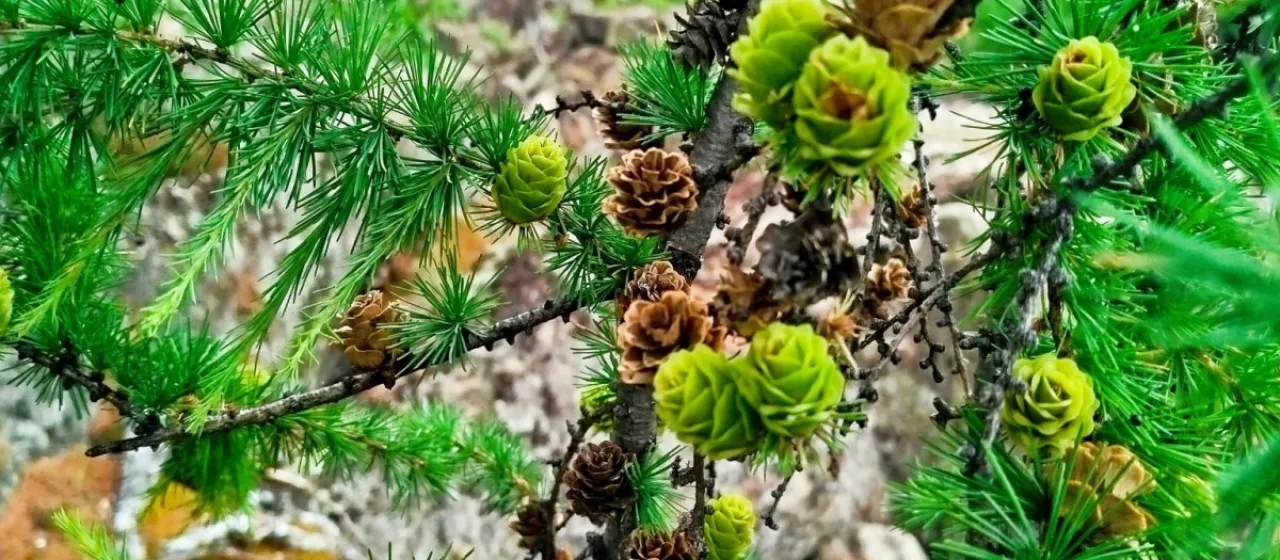
Botanically, the Dahurian larch is defined by its deep taproot system, which is adapted to thin soil layers above permafrost. The needles are light green and appear in clusters, while the cones are small and distinctively shaped with incurved scales. The tree's overall structure is light and airy, allowing it to thrive in high-density forest stands.
In terms of cultivation and silviculture, the species is highly photophilous and requires full sun exposure to maintain vigorous growth. While it is tolerant of diverse soil types, success depends on maintaining adequate soil drainage to prevent root issues. It is remarkably drought-tolerant once established and requires minimal maintenance beyond site selection.
The wood of Larix gmelinii is highly valued in the timber industry due to its high density, durability, and resistance to decay. It is widely used for construction, railway sleepers, fencing, and pulpwood. Beyond timber, the species is an essential component of land reclamation efforts and erosion control in northern latitudes.
- Susceptibility to defoliating insects like sawflies
- Risk of needle cast diseases in stagnant, humid environments
- Importance of site preparation to ensure early establishment