
Description
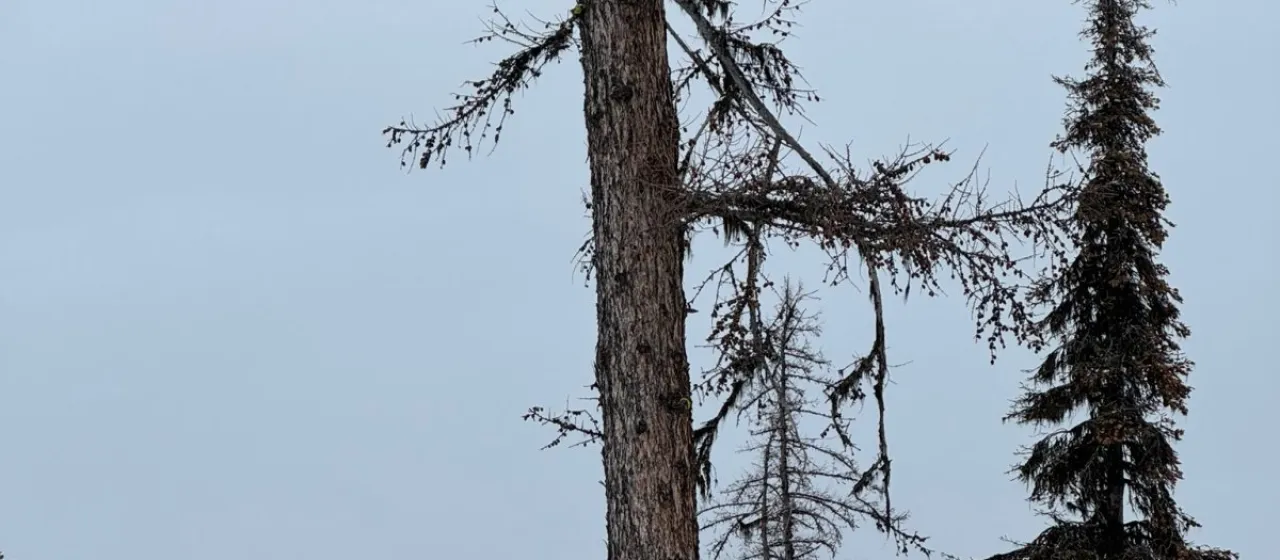
The Western larch (Larix occidentalis) is a deciduous conifer belonging to the Pinaceae family. It is recognized as the largest and most valuable species of the larch genus, characterized by its rapid growth rate and impressive height, often dominating forest stands in its native range.
Native to the Pacific Northwest of North America, the species thrives in the mountain ranges of the inland regions. Its natural habitat includes high-elevation valleys and slopes, where it is known to form expansive, pure, or mixed stands. This tree is highly valued for its ability to regenerate quickly after disturbances, such as fires, due to its thick bark.
Botanically, Larix occidentalis is distinguished by its narrow, pyramidal crown and soft, bright green needles that turn a brilliant gold in autumn before abscission. Its cones are small and possess distinct bracts. The species is highly phototropic, requiring full sunlight to develop properly, and it maintains a strong central leader throughout its life.
In terms of silviculture, the species demands deep, moist, and well-drained soils. While it can survive on various soil types, its growth is optimal in nutrient-rich volcanic or glacial loams. Cultivation practices include managing stand density to prevent shade-induced branch mortality and ensuring the site meets its specific needs for high light intensity and adequate moisture.
- Construction grade timber (high resistance to rot).
- Sustainable forestry and reforestation.
- Ornamental use in large landscapes.
- Restoration of mountain forest ecosystems.
The main pests that affect this species include the larch casebearer and various needle casts, which can impact foliage density and growth rates. Proper forest management, including thinning and selective cutting, helps mitigate the risk of disease spread, ensuring the longevity and productivity of the larch stands.