
Description
Koeleria pyramidata, commonly known as prairie june grass or crested hair grass, is a perennial bunchgrass belonging to the Poaceae family. This species is widely recognized for its robust growth habit, forming dense tufts that persist over many years, making it an essential component of native grasslands and temperate pastures.
The native range of Koeleria pyramidata spans across much of North America and Europe, where it thrives in open, sunny environments. It is frequently found in prairies, dry meadows, and rocky outcroppings, demonstrating a remarkable ability to survive in environments where moisture availability can fluctuate significantly throughout the growing season.
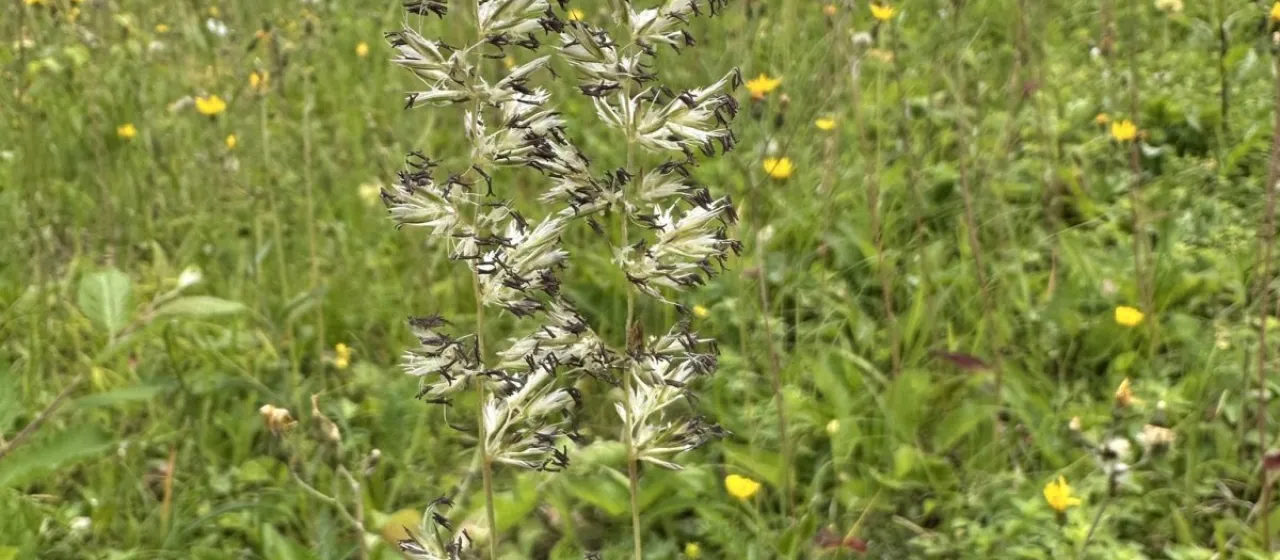
Botanically, the plant is characterized by its slender, erect stems and basal foliage. The inflorescence is a dense, spikelike panicle that often takes on a distinctly pyramidal shape as it matures, providing a unique visual identification mark. The plant usually reaches heights between 30 and 80 centimeters depending on local environmental stressors.
Cultivation requirements for this grass include well-drained soils, typically favoring calcareous or sandy loams with neutral pH. It is highly drought-tolerant once established and performs best in full sun. Agronomic management involves careful monitoring of the seedling phase, after which the grass becomes highly competitive against invasive species.
In agricultural and landscaping contexts, Koeleria pyramidata is valued for its role in pasture improvement and ecological restoration projects. It provides reliable forage in the early season and serves as a vital component in erosion control on slopes. Its aesthetic appeal makes it a popular choice for native landscape designs that mimic natural prairie ecosystems.
Maintenance of healthy stands requires vigilance against common grass diseases such as rusts and powdery mildew, which can occur in stagnant, humid air conditions. Pests such as aphids or grass-feeding flies may occasionally impact growth. Effective management involves avoiding overgrazing and ensuring that the sward has adequate recovery time.