Tornado
ЗАТ Фірма Август, Росія.,селище Вурнари,
Herbicides, Desiccants
5
0
·
7.8K
8 offers
0.8 €за 1 л
Купить

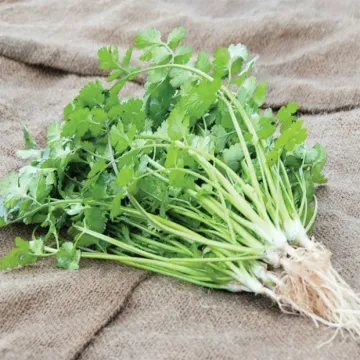
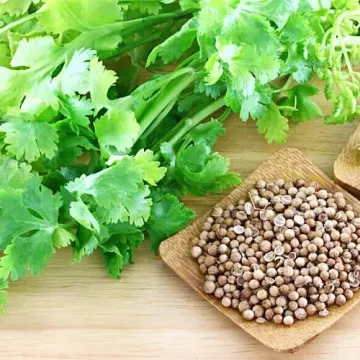
Coriander (Coriandrum sativum L.) is an annual herbaceous plant belonging to the Apiaceae family. It is a dual-purpose agricultural crop grown commercially for both its fragrant seeds, rich in essential oils, and its fresh green foliage, which is widely traded as an herb. The plant is characterized by its distinct taproot and umbel-shaped inflorescences.
Originating from the Mediterranean and Western Asia, coriander has been naturalized across various global regions with temperate climates. It is currently a significant commodity crop in many countries, thriving particularly well in well-drained, fertile soils. Its distribution is largely driven by the demand for essential oils and aromatic compounds in global manufacturing.
Botanically, the plant develops a slender, glabrous stem that reaches a height of up to 70 centimeters. The leaves exhibit significant heterophylly, transitioning from broad, lobed lower leaves to finely divided, feathery upper leaves. Its flowers are small, white or pale pink, arranged in compound umbels, which effectively support local pollinator populations.
Agricultural requirements for coriander focus on selecting sunny, open fields with neutral to slightly alkaline soil pH. While the crop is frost-tolerant, it requires consistent moisture during the germination and early growth stages. Efficient crop management includes precise timing for harvesting to minimize seed shattering, which is a common challenge for commercial producers.
Managing biotic stresses is crucial for maintaining yields, with the following being the most prevalent issues: