
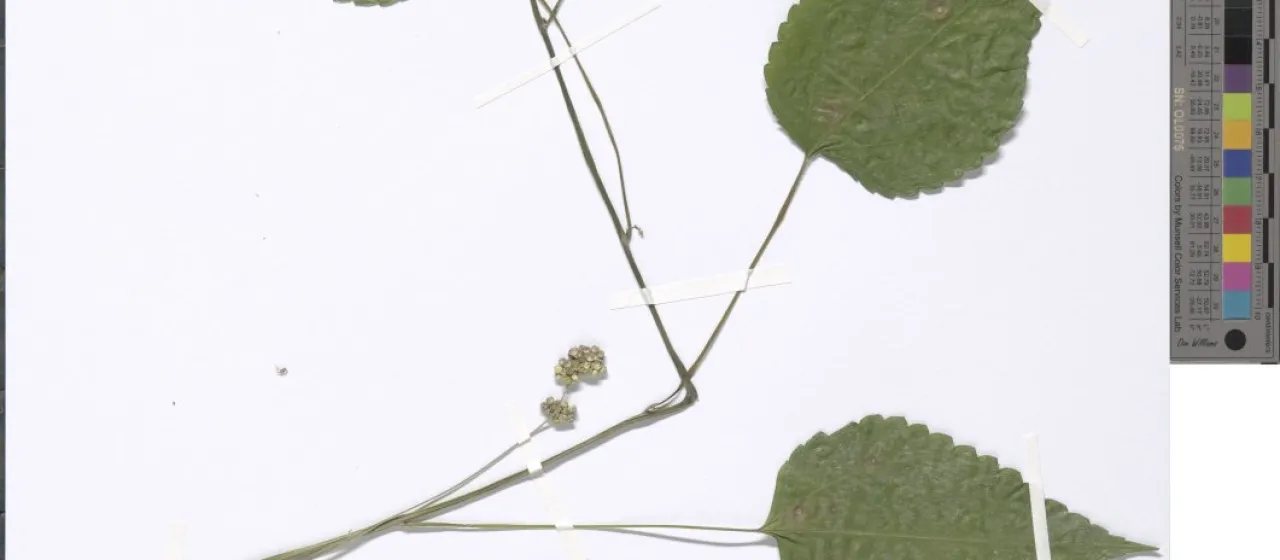
Description
Laportea ovalifolia is a perennial herbaceous plant belonging to the Urticaceae family. Like many other members of its family, it is recognized for its stinging hairs that cover the stems and leaves, serving as a robust defensive mechanism against herbivores. The plant's morphology typically includes succulent stems and oval-shaped leaves.
This species is native to tropical regions of Africa. Its natural habitat is typically found in moist environments, such as riverbanks, swampy areas, and dense forest floors where the humidity remains high. These ecological conditions are crucial for its successful growth and rapid expansion within its native range.
From a botanical standpoint, Laportea ovalifolia is characterized by its distinct leaf venation and growth habit. It grows effectively in shaded to semi-shaded locations, which protects the plant from the intense radiation of tropical sunlight. The root system is relatively shallow but well-adapted to absorbing nutrients from organic-rich damp soils.
Cultivation requirements for this species include consistent soil moisture and a humid atmosphere. In terms of agronomy, it thrives in environments that mimic its natural swamp-like surroundings. Soil preparation should focus on high organic content and excellent water retention capacity, while avoiding water stagnation which could lead to root rot.
The economic and agricultural utility of Laportea ovalifolia is primarily centered on its potential for medicinal extraction. While it is not a traditional food crop due to its stinging nature, it remains an important subject for local traditional healers. Pest management is rarely required, as the plant’s stinging hairs effectively deter most common insect herbivores, making it a low-maintenance species in controlled environments.
- High humidity preference
- Natural pest resistance due to stinging hairs
- Requires organic-rich, moist substrates