
Description
Laportea peduncularis is a perennial herbaceous plant belonging to the Urticaceae (nettle) family. This species is known for its distinct botanical characteristics, including the presence of stinging hairs on the foliage and stems. It represents an interesting niche in botanical studies, often researched for its unique ecological adaptation and chemical composition.
The native distribution of Laportea peduncularis is concentrated in parts of East and Southern Africa. It thrives in humid forest habitats, shaded slopes, and regions with high organic matter in the soil. Its preference for understory environments makes it a specific candidate for cultivation in controlled shaded conditions, mimicking its natural habitat.
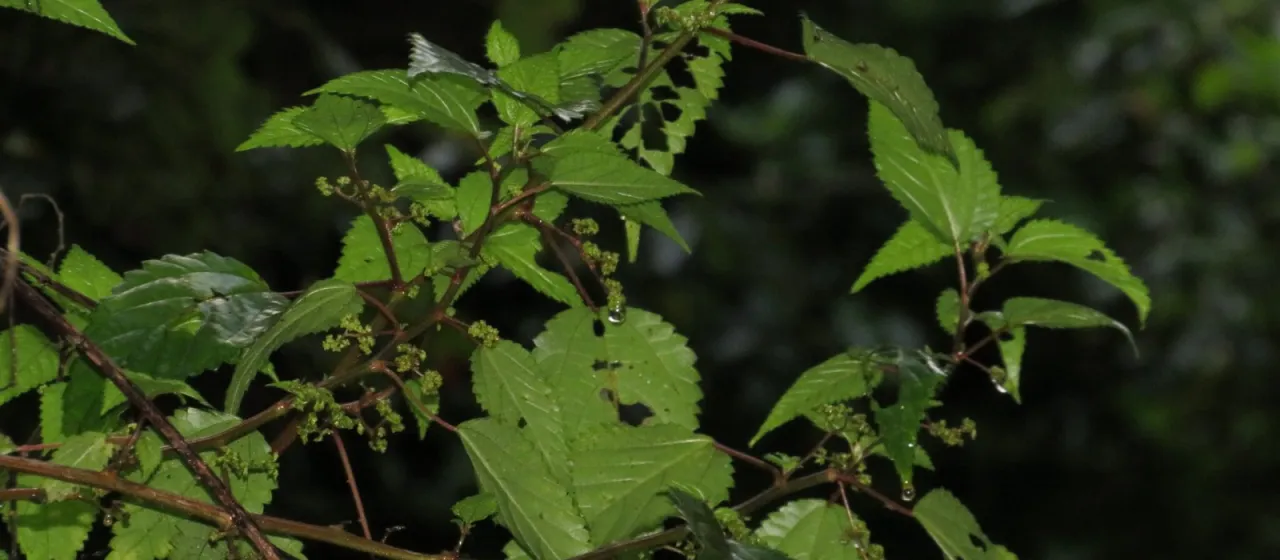
Botanically, the plant features serrated leaves and characteristic long peduncles (flower stalks) from which the name of the species is derived. The plant structure is designed to maximize photosynthesis in low-light conditions. These morphological traits are crucial for its development and contribute to its resilience in its native environment.
Regarding agronomic requirements, the plant demands well-drained, nutrient-rich, and slightly acidic to neutral soils. Consistency in moisture levels is vital, as the plant is susceptible to drought stress. Cultivation success largely depends on maintaining a steady environment, protecting the plant from intense midday sun and ensuring optimal airflow to prevent fungal issues.
In terms of usage, the plant is primarily studied for its potential applications in traditional herbal medicine, given the known properties of the Urticaceae family. Standard agrotechnical maintenance involves:
- Regular soil monitoring for pH and nutrient levels.
- Consistent irrigation during the growth phase.
- Integrated pest management against aphids and mites.
- Removal of competing weeds in the early stages.