
Description
The Shiny-leaved stinging tree (Laportea photinophylla) is a perennial woody plant belonging to the Urticaceae family. Unlike common herbaceous stinging nettles, this species develops a significant woody trunk, establishing itself as a unique botanical specimen that serves as a fascinating subject for both research and specialized horticulture.
The plant originates from the eastern regions of Australia, where it naturally thrives in subtropical and tropical rainforest environments. Its ecological niche involves growing in the understory of dense forests, where it is protected from intense, direct sunlight and benefits from the humid microclimate provided by the canopy layers.
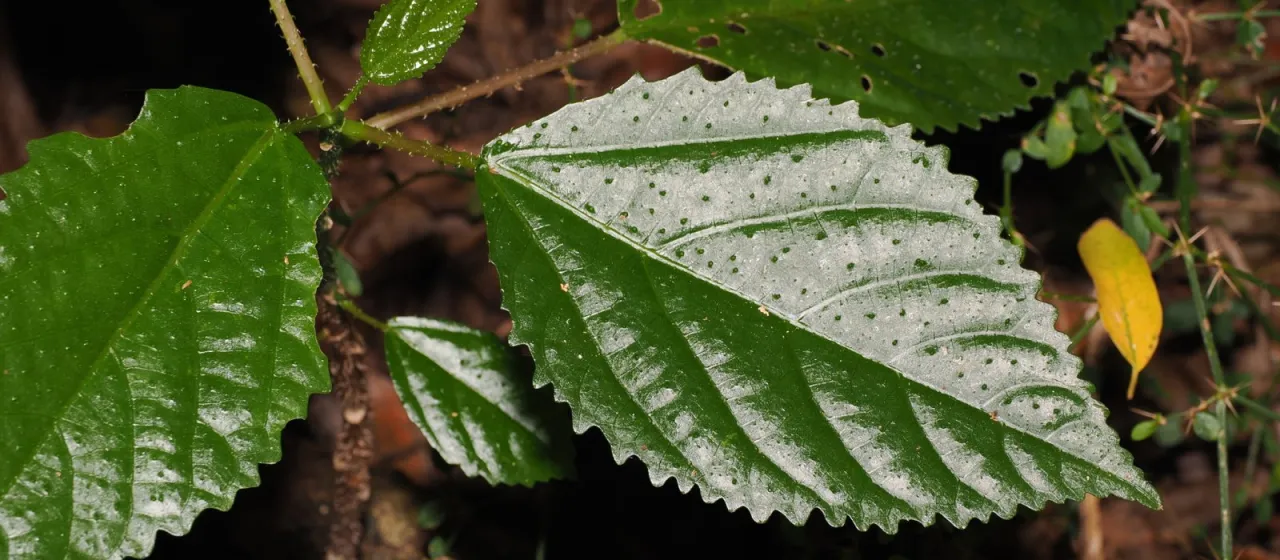
Botanically, the plant is characterized by its large, glossy, and shiny leaves that are armed with potent stinging trichomes. Its root system is highly sensitive to soil aeration; therefore, it requires well-draining, nutrient-rich substrates. Proper soil structure is essential to prevent root asphyxiation, which can occur if the substrate remains waterlogged for extended periods.
Agricultural and horticultural practices for this species focus on maintaining high ambient humidity and stable temperatures. Given its stinging nature, handling the plant requires strict safety protocols, including the use of heavy-duty gloves and long sleeves. In a controlled cultivation setup, consistent monitoring of moisture levels is crucial for maintaining the plant's structural integrity and foliage health.
Economic and research utility of Laportea photinophylla is primarily found in pharmacological studies and botanical collections. The species is susceptible to typical greenhouse pests, such as aphids and spider mites, which can be managed through integrated pest management strategies. Root rot remains the most significant disease risk, typically associated with improper watering practices.