
Description
Spanish vetchling (Lathyrus clymenum L.) is an annual herbaceous legume belonging to the Fabaceae family. This crop is historically significant in Mediterranean agriculture, valued for its nutritional profile and ability to thrive in challenging environmental conditions where other crops might fail.
Originating from the Mediterranean region, the species is widespread across Southern Europe, North Africa, and parts of the Middle East. It has evolved to survive in diverse terrains, favoring sunny locations and mild, rainy winters followed by dry spring and summer seasons. Its geographic footprint reflects its high resilience to local stress factors.
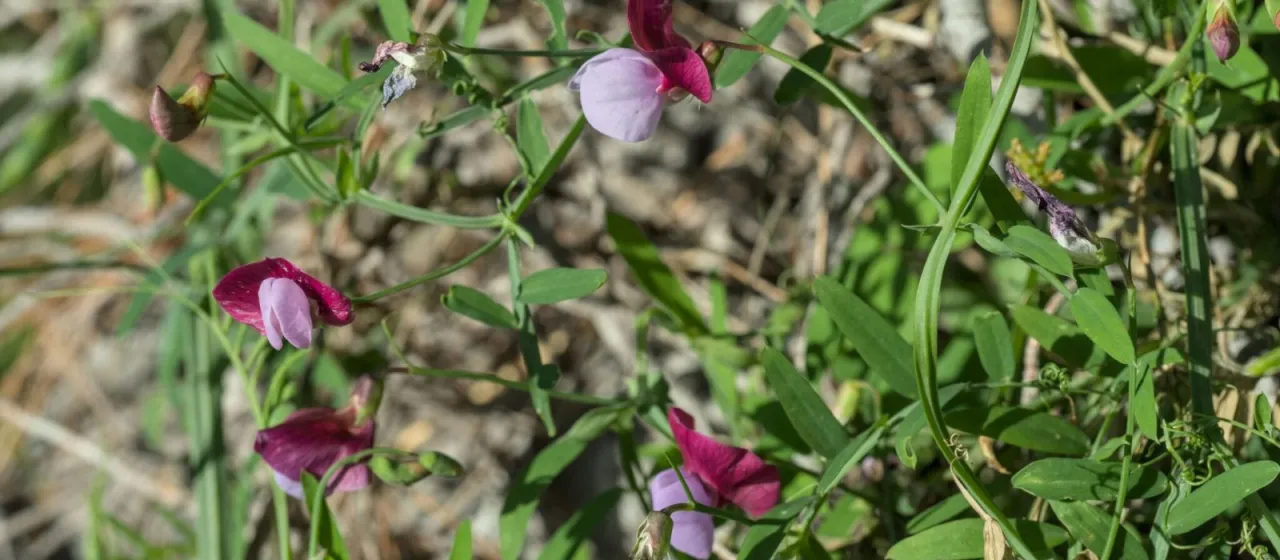
Botanically, the plant presents as a vining herb with pinnate leaves ending in tendrils, which allows it to climb and optimize light absorption. The blossoms are distinctively purple or deep pink, giving the plant its common name. The seed pods are compact, protecting the seeds, which are rich in proteins and minerals essential for livestock nutrition.
Regarding cultivation, Lathyrus clymenum prefers well-drained, slightly calcareous soils. While it exhibits strong drought tolerance, optimal biomass production requires adequate soil moisture during the seedling and flowering phases. Proper field preparation, including shallow tillage and weed control at the germination stage, is critical for establishing a healthy crop.
The agricultural usage of Spanish vetchling is multifaceted:
- Providing high-protein fodder for livestock during winter and spring.
- Grain production for specialized feed mixes.
- Improving soil fertility through nitrogen fixation.