
Description
Rough pea (Lathyrus hirsutus L.) is an annual herbaceous plant belonging to the Fabaceae family. It serves as a valuable agricultural crop, recognized primarily for its high nutritional value when utilized as forage for livestock, providing essential proteins and minerals.
Originating from the Mediterranean region and Southern Europe, this species has spread across various temperate zones. Its adaptability to diverse environmental conditions allows it to thrive in different farming systems, ranging from traditional grazing lands to specialized hay production operations.
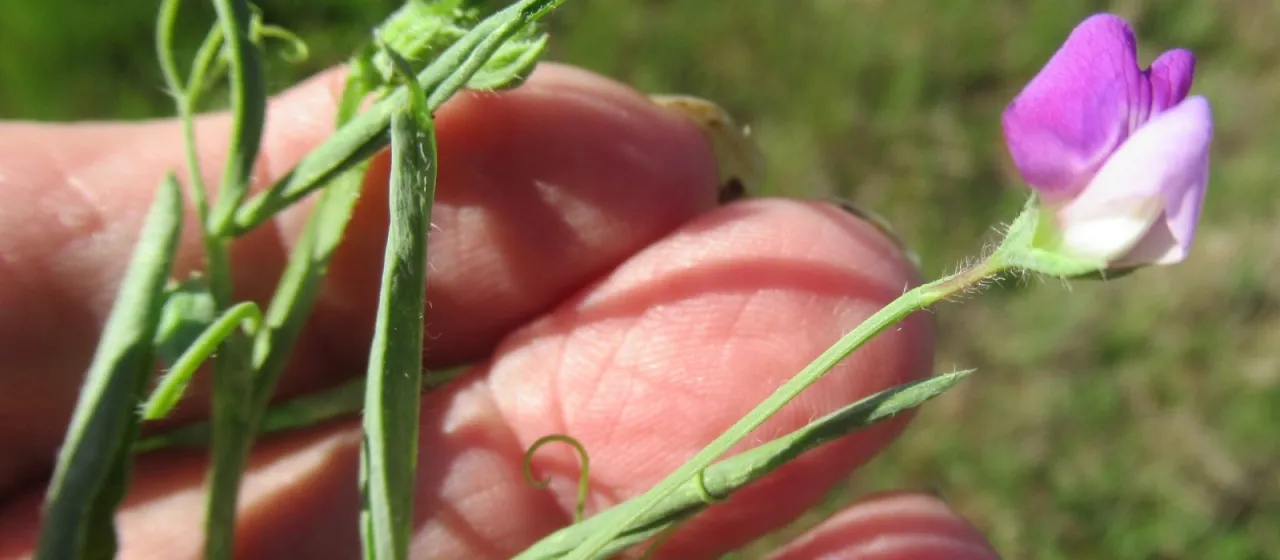
The botanical structure of Rough pea is defined by its winged stems that reach up to 80 cm, paired pinnate leaves with tendrils for climbing, and vibrant purple-to-pink flowers. The plant is distinctively named for its hairy, hirsute pods, which provide a reliable physical characteristic for its identification in the field.
Cultivation of Rough pea requires well-drained soil types. It is renowned for its drought tolerance and general hardiness. Agronomic practices typically involve sowing in early spring or autumn, depending on local climate cycles. As a legume, it forms symbiotic relationships with Rhizobium bacteria, which facilitates natural nitrogen fixation, significantly reducing the dependency on synthetic nitrogen inputs.
The primary agricultural application of Rough pea is in the forage sector. It is often included in seed mixtures for permanent pastures or sown as a cover crop. By enhancing soil structure and nutrient content, it plays a vital role in sustainable crop rotation strategies and land management programs.
The culture faces several challenges from pests and diseases:
- Fungal infections such as powdery mildew in humid environments.
- Root rot development in poorly drained or waterlogged soils.
- Infestations by pea weevils and aphids, which may require integrated pest management strategies.