
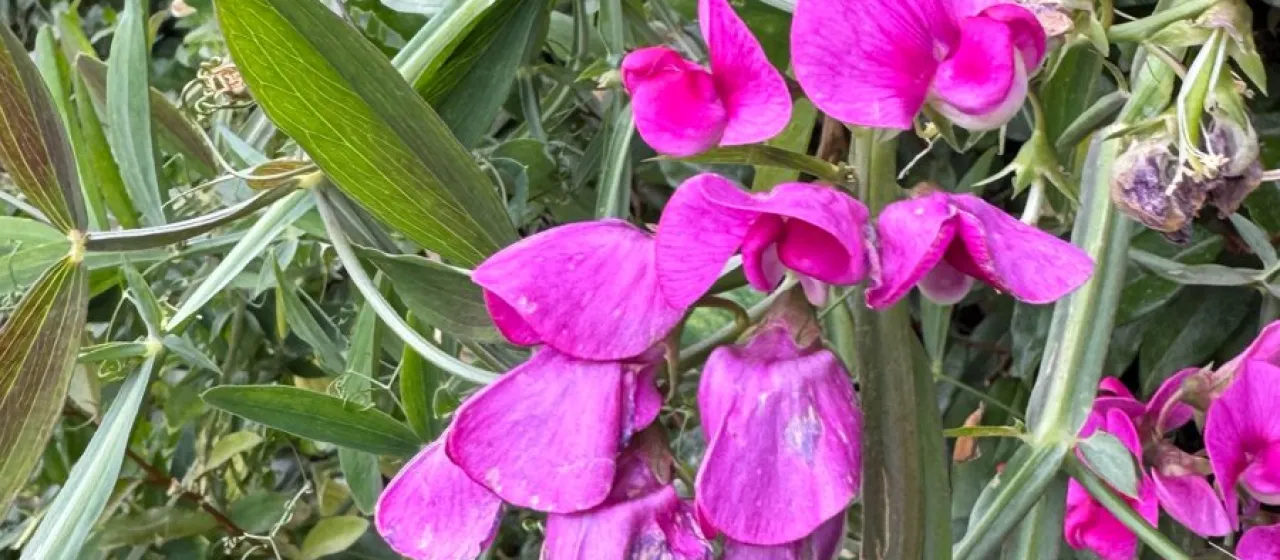
Description
Broad-leaved everlasting pea (lat. Lathyrus latifolius L.) is a perennial herbaceous plant belonging to the Fabaceae family. It is a robust climbing vine characterized by its vigorous growth habit, often reaching lengths of up to 2 meters, making it a reliable and long-lived component in agricultural landscapes.
The species is native to Europe but has naturalized in various temperate regions globally. Its adaptability allows it to thrive in diverse environments, ranging from disturbed roadsides to well-managed agricultural plots. This resilience makes it a subject of interest for sustainable forage production systems.
Botanically, the plant features winged stems and compound leaves with distinct, broad leaflets. Its root system is deep and penetrating, which contributes to soil structure improvement and nitrogen fixation in symbiosis with specialized bacteria, thereby enhancing soil fertility naturally.
Regarding cultivation requirements, Lathyrus latifolius prefers well-drained, fertile soils with a neutral pH level. It is highly drought-tolerant once established and demonstrates excellent winter hardiness. Sowing should be managed to ensure adequate spacing, as the plants can become quite dense and competitive over time.
In terms of agricultural use, this crop serves as a high-protein source for livestock fodder. Beyond its nutritional value, it acts as a significant honey plant and is used for slope stabilization to prevent erosion. Growers should monitor for common pests like weevils and fungal diseases such as powdery mildew to ensure maximum yield potential.