
Description
Nonea rosea is a perennial herbaceous plant belonging to the Boraginaceae family. Known for its distinct morphological traits, this species represents a unique biological type within its genus, often overlooked in mainstream agriculture but possessing notable potential for specific climates.
The plant originates from the mountainous regions of Western Asia and the Caucasus. It is naturally adapted to dry, stony environments and high solar radiation. These geographical origins dictate its preference for well-drained soil substrates and its high resilience to drought conditions that would typically inhibit the growth of traditional field crops.
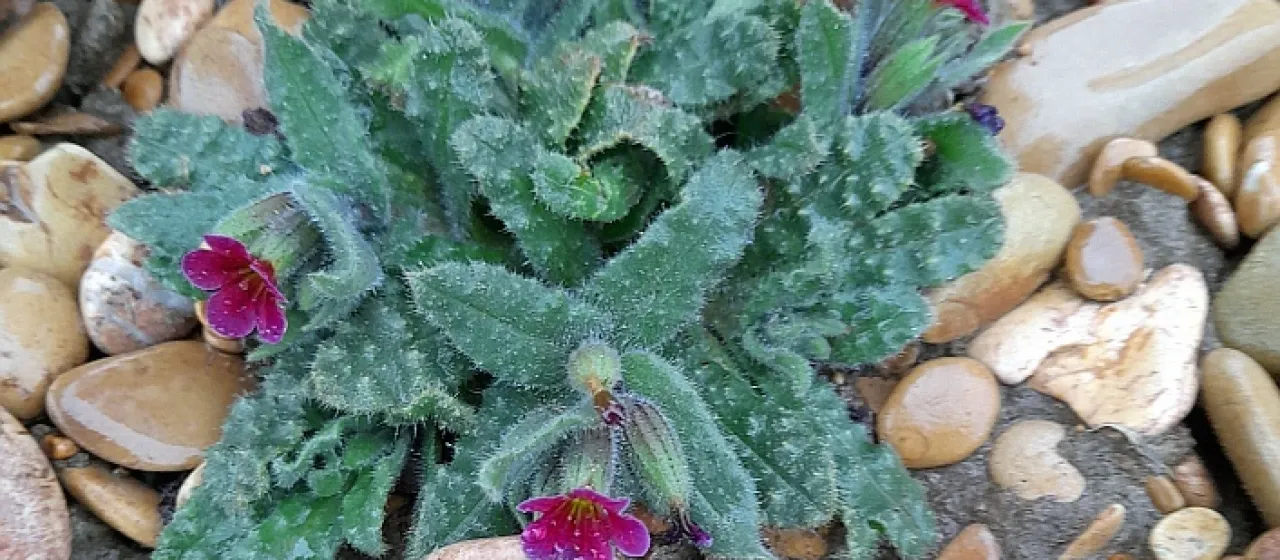
Botanically, Nonea rosea is characterized by a sturdy taproot and stems covered with coarse trichomes. The leaves are generally lanceolate, and the flowers, which exhibit a beautiful pink hue, appear in terminal scorpiod cymes. This structural arrangement is an evolutionary adaptation designed to protect the plant from harsh environmental stressors.
In terms of agronomic requirements, this plant performs best in sandy or gravelly soils with a neutral pH. It is highly intolerant of waterlogged conditions, which can lead to rapid root degradation. Effective cultivation practices should focus on maintaining adequate soil drainage and ensuring that the young plants are not overwhelmed by faster-growing competitive weeds during the establishment phase.
The economic utility of Nonea rosea is primarily focused on its role as a pollinator-friendly plant and its interest in pharmacological research. While not a large-scale agricultural commodity, it is valued in niche sectors for its medicinal potential. The plant is relatively resistant to major agricultural pests, though monitoring for fungal pathogens is essential in years with unusually high rainfall.