

Description
The cucumber (Cucumis sativus L.) is a widely cultivated creeping vine plant that belongs to the gourd family, Cucurbitaceae. It is one of the most economically significant vegetable crops grown globally, favored for its versatility in fresh consumption and processing industries.
Originating from South Asia, specifically the Himalayan region of India, cucumbers have been domesticated for thousands of years. Today, they are grown across diverse climatic zones, ranging from open-field production in temperate regions to highly controlled greenhouse environments in more demanding climates.
Botanically, the plant is characterized by its trailing stems, broad lobed leaves, and specialized tendrils used for climbing. The fruit is technically classified as a pepo, a type of berry with a hard rind. Being highly sensitive to water stress, the cucumber relies on an extensive but shallow root system to absorb nutrients and moisture from the soil surface.
Cultivation requirements focus on warm temperatures, ideally between 20°C and 30°C, and consistent soil moisture. Cucumbers thrive in well-drained, fertile soils rich in organic matter. Agrotechnical management involves trellising to improve air circulation, mulching to retain soil moisture, and rigorous nutrient management to ensure high fruit quality and yield.
The crop is vulnerable to various biotic stresses that can significantly reduce marketability. Effective pest and disease management is critical to maintaining a profitable harvest. Among the major threats to cucumber health are:
- Two-spotted spider mite
- Greenhouse whitefly
- Aphids
Content graph
Crop pests · 19
Контент-граф
Connections · Cucumber
Most often together:
Active ingredients
1 связь
Marketplace
Products · 35
All 35
Cucumber 302
Fungicides 165
Insecticides, Acaricides 109
Fertilizers 86
Herbicides, Desiccants 58
Plant Growth Regulator 35
Biological Products 7
Adjuvants 1



Alga
BEIJING LAILI MARIN BIOINDUSTRIAL CO., CHINA
Plant Growth Regulator
0
0
·
56
13 offers
13.5 €за 1 л
Купить



Rodonit
Private enterprise "Rodonit", Ukraine
Plant Growth Regulator
0
0
·
47
9 offers
6.9 €за 1 л
Купить


BUTON
ЗАТ «Торгово-промислова компанія ТЕХНОЕКСПОРТ»
Plant Growth Regulator
0
0
·
43
8 offers
35.3 €за 1 л
Купить


Atonik Plus
«Аріста ЛайфСайенс С.А.С.» , Франція
Plant Growth Regulator
0
0
·
37
8 offers
31.1 €за 1 л
Купить


Zav'yaz'
ТОВ «ОРТОН (Російська Федерація, Московська обл.
Plant Growth Regulator
0
0
·
35
10 offers
14.7 €за 1 л
Купить

Sir Tomato
«Нанджин Ессенс Файн-Кемікал Ко. Лтд» (Китай)
Plant Growth Regulator
0
0
·
33
2 offers
7.2 €за 1 л
Купить

Bereginya
«Нанджин Ессенс Файн-Кемікал Ко. Лтд» (Китай)
Plant Growth Regulator
0
0
·
32
3 offers
0.2 €за 1 л
Купить
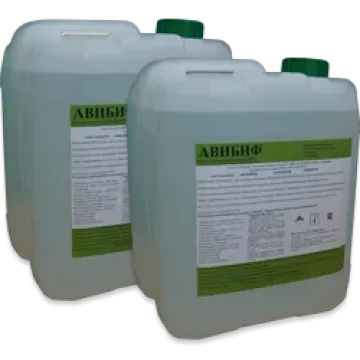


Opora
Приватне підприємство «ПРОМБУДКОМПЛЕКТ», Україна
Plant Growth Regulator
0
0
·
43
No offers
—
Details


SEÑOR TOMATE
«Нанджин Ессенс Файн-Кемікал Ко. Лтд» (Китай)
Plant Growth Regulator
0
0
·
37
No offers
—
Details