Description
Pelargonium capitatum, commonly known as rose-scented pelargonium, is a perennial subshrub belonging to the Geraniaceae family. This species is commercially significant due to its fragrant leaves, which are rich in essential oils often used as a natural source for the fragrance and flavoring industries.
Native to the Western Cape of South Africa, the plant is naturally adapted to sandy, coastal environments. In modern agriculture, it is cultivated in regions with Mediterranean-like climates that provide mild, frost-free winters and high solar radiation, which are essential for the metabolic production of terpenoids in the foliage.
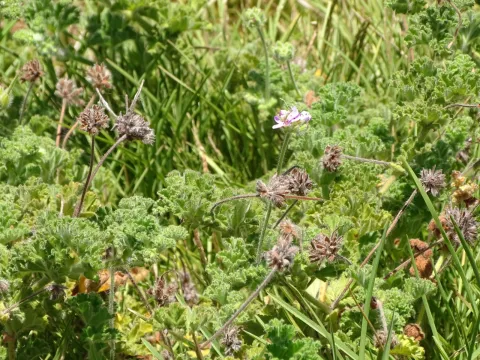
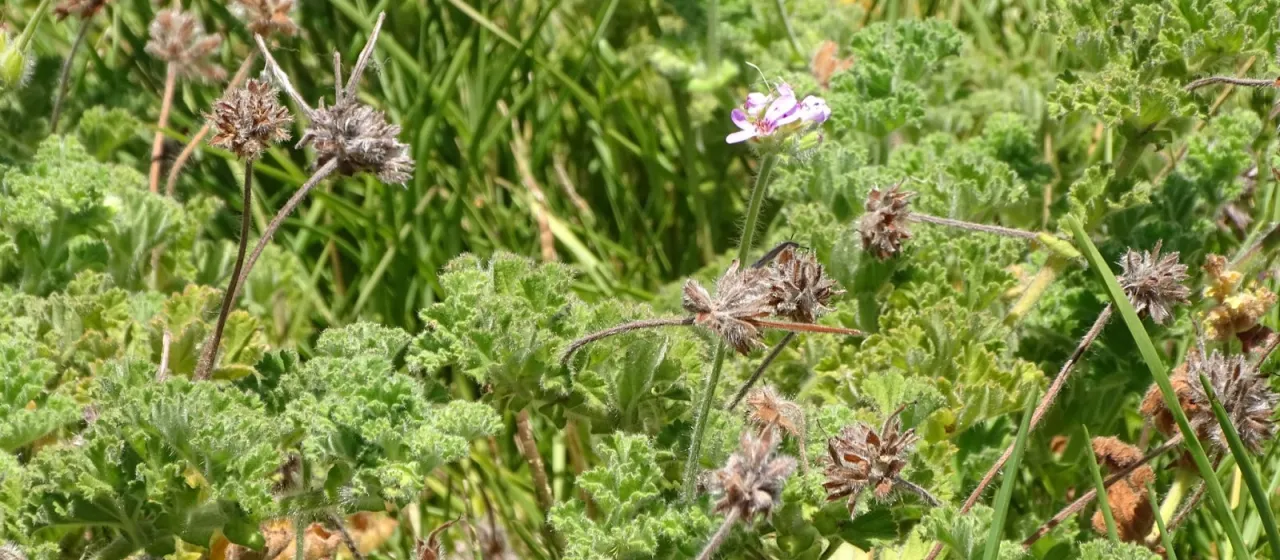
The plant is characterized by its trailing or ascending stems covered in glandular hairs. Its leaves are lobed and emit a strong, rose-like scent. The flowers are distinctive, appearing in dense, rounded clusters at the tips of the branches. Its root system is shallow, necessitating consistent moisture management during the dry season to ensure plant vitality.
Successful production requires well-drained, sandy loam soils with a neutral pH. Agronomically, the crop responds well to phosphorus and potassium fertilization, which enhances both leaf biomass and oil yield. Irrigation should be applied carefully; while the plant is drought-tolerant once established, waterlogged conditions significantly increase the risk of root rot.
Pest and disease management is a critical aspect of commercial farming. Common issues include fungal infections such as Botrytis cinerea in humid climates and infestations by aphids or spider mites. Maintaining adequate plant spacing to ensure airflow and utilizing integrated pest management (IPM) strategies are standard practices to minimize chemical inputs and protect the quality of the essential oil extract.
Photo gallery