Description
The hooded pelargonium (Pelargonium cucullatum) is a perennial evergreen subshrub belonging to the Geraniaceae family. It is recognized as one of the fundamental botanical species that contributed to the development of the widely popular garden pelargonium hybrids found in horticulture today.
Native to the Western Cape of South Africa, this species is naturally adapted to coastal environments, including sand dunes and rocky slopes. Its evolutionary history in such demanding habitats has endowed the plant with robust characteristics, allowing it to tolerate salty winds and periods of drought.
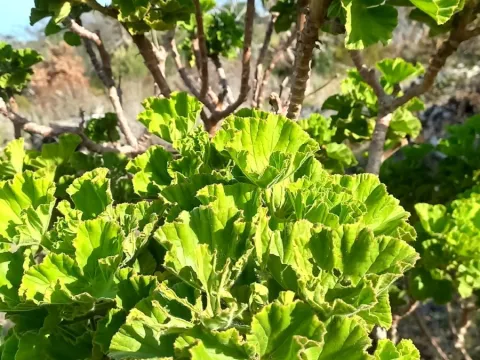
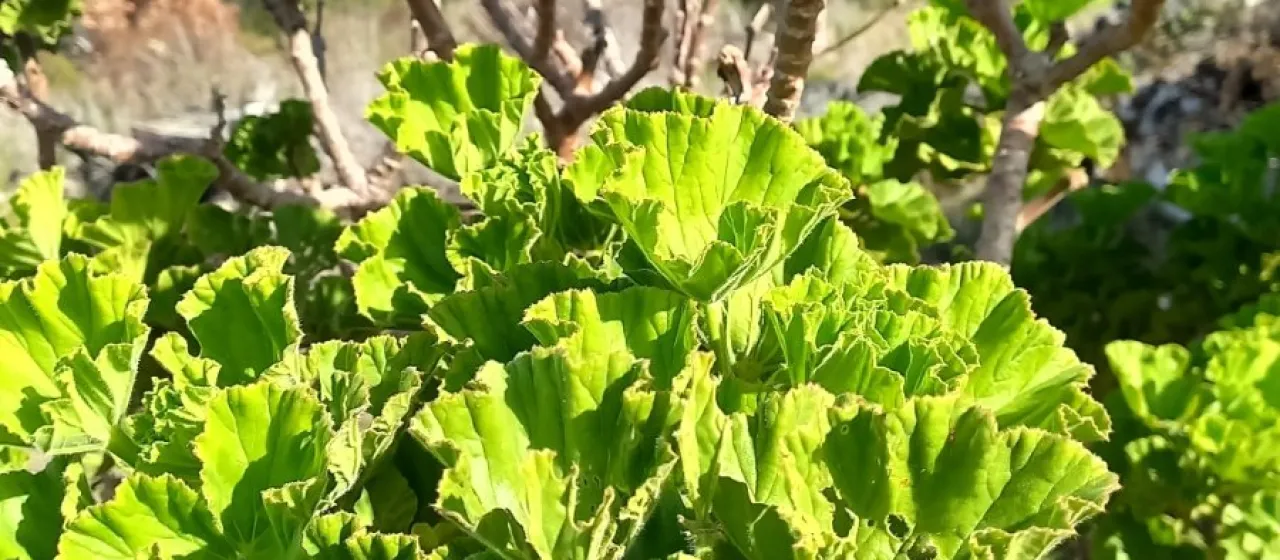
Botanically, the plant is characterized by its distinctively rounded, scalloped leaves which are often described as hooded or cap-shaped. The flowers are typically showy, displaying shades of pink to purple with darker markings, blooming predominantly during the spring and summer months.
From an agronomic perspective, cultivation requires full sun exposure and well-draining soil to mimic its natural habitat. It performs best in substrates that are aerated and not prone to waterlogging, as excessive moisture in the root zone is the primary cause of plant failure in non-native environments.
The primary utility of Pelargonium cucullatum is in ornamental gardening and landscape design, particularly in coastal regions. Beyond its direct use, it is a significant genetic resource for plant breeders looking to increase the hardiness and environmental resilience of new ornamental cultivars.
Common issues encountered during production include:
- Botrytis blight (grey mold) under high humidity conditions.
- Pest infestations, including aphids and spider mites, particularly in protected cultures.
- Root rot pathogens facilitated by poor drainage and low substrate temperatures.
Photo gallery