Pelargonium inodorum
Pelargonium inodorum
Description
Pelargonium inodorum is a perennial herbaceous plant belonging to the Geraniaceae family. Unlike its ornamental counterparts commonly found in greenhouses, this species is recognized for its unique botanical features and its status as a native component of the Australian landscape. It is distinguished by its subtle, non-fragrant characteristics, which differentiate it from the aromatic oils found in most Pelargonium species.
The plant originates from Australia, occupying a diverse range of habitats including woodland margins and open grasslands. It has evolved to thrive in environments that experience significant seasonal variability in moisture levels. This geographical distribution highlights the plant's natural resilience to varying environmental stressors, making it a subject of interest for ecological restoration studies.
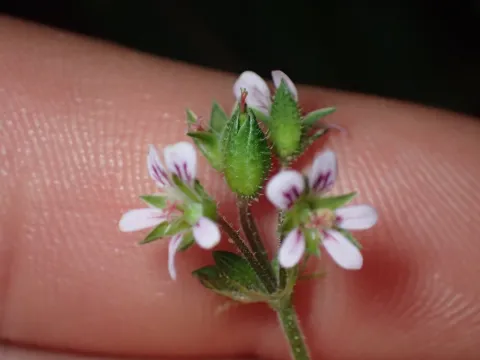
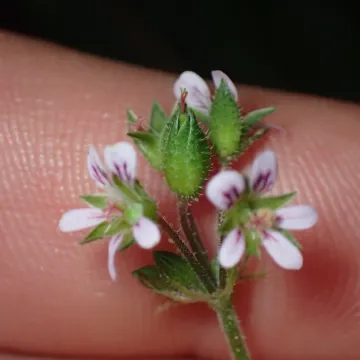
Botanically, Pelargonium inodorum exhibits a distinct growth habit with deeply lobed leaves and delicate, small flowers that lack a strong scent. Its reproductive strategy is optimized for local pollinators, ensuring its survival in its native ecosystem. The foliage is typically light green and serves as a morphological indicator of the plant's health and environmental stress levels.
Regarding agrotechnical requirements, the plant prefers well-drained, slightly acidic to neutral soils. In cultivation, it is essential to provide adequate sunlight to ensure robust development. Overwatering is a primary risk factor, as the species is susceptible to root diseases if the soil remains waterlogged for extended periods. Consistent air circulation is also critical to prevent fungal outbreaks.
The primary use of this crop is in botanical collections and sustainable landscaping, where it serves as a robust ground cover or a filler plant. Potential threats to its growth include:
- Root rot caused by poor soil drainage.
- Aphids, which can thrive in low-ventilation environments.
- Fungal infections during high humidity seasons.
Photo gallery