Description
The rose-scented pelargonium (Pelargonium radens) is a perennial subshrub belonging to the Geraniaceae family. It is recognized as a significant industrial crop, primarily cultivated for its aromatic foliage, which contains high concentrations of essential oils used in the perfume and cosmetic industries.
Originating from South Africa, this species thrives in Mediterranean and subtropical climates. Its cultivation is concentrated in regions that provide sufficient sunlight and mild winters, as the plant is highly sensitive to frost. Large-scale farming requires environments where temperatures do not drop significantly below freezing.
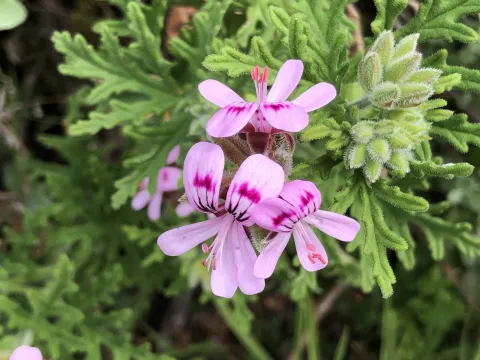
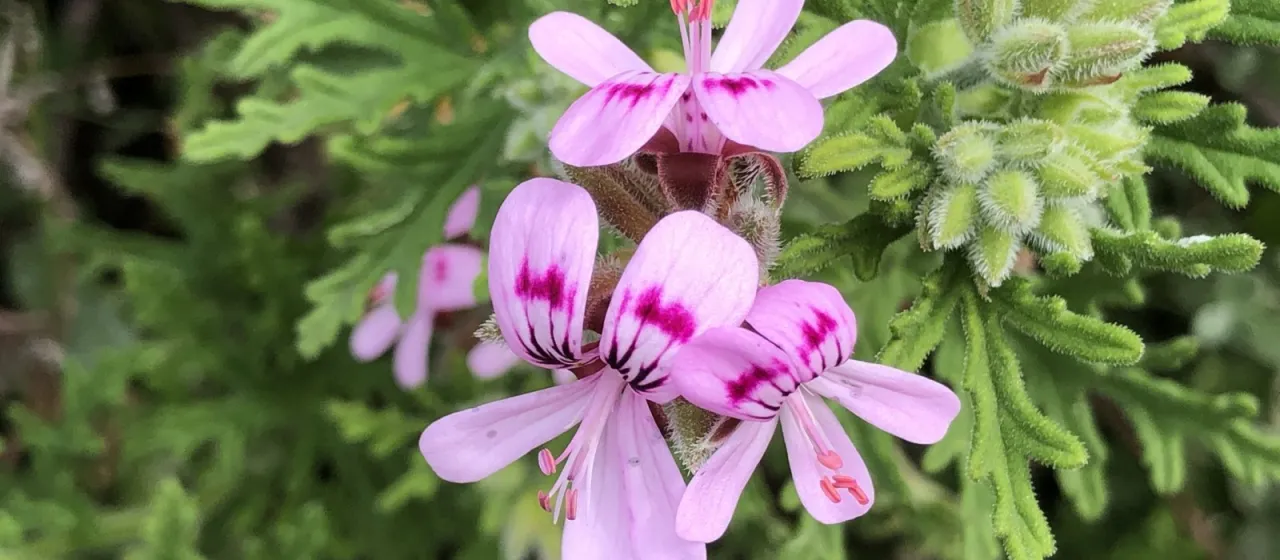
Botanically, Pelargonium radens is characterized by its deeply divided, rough, and sticky leaves that exude a distinct rose-like fragrance when crushed. The plant forms a bushy habit with woody stems. Small flowers typically appear in umbels, though the crop is valued more for its vegetative mass than for floral beauty.
Agronomic requirements emphasize the need for well-draining, nutrient-rich soil. Proper irrigation management is vital to prevent root rot, as the plant is susceptible to moisture stress. Optimal growth is achieved through a combination of full sun exposure and balanced fertilization programs that support leaf production.
The commercial applications of this species are diverse:
- Extraction of essential oil for fragrance manufacturing.
- Production of aromatic additives for personal care products.
- Utilization in traditional and herbal medicine practices.
- Landscape cultivation in warm, arid climates.
Pest and disease management is a critical aspect of Pelargonium radens production. Common challenges include infestations by spider mites, whiteflies, and aphids, as well as fungal infections like Botrytis under humid conditions. Integrating cultural practices, such as proper spacing and weeding, helps maintain plant health and crop yield.
Photo gallery